Timing Intercourse for Conception: A Complete Guide to Maximising Your Fertile Window


Why Timing Matters for Conception
When it comes to natural conception, timing is everything. A woman's fertile window — the days when intercourse can lead to pregnancy — lasts only about six days per cycle: the five days before ovulation and ovulation day itself. Within that window, the probability of conception rises sharply from near zero to 30–50% on the two most fertile days.
Understanding and optimising this window is one of the few factors completely within a couple's control. Unlike age, genetics, or underlying medical conditions, timing can be improved with knowledge and practice. Yet many couples spend months or years trying to conceive without a clear understanding of when their fertile window actually occurs.
A 2019 study published in Human Reproduction analysed over 5,000 cycles and found that couples who timed intercourse to the fertile window conceived in an average of 3.4 cycles, compared to 7.8 cycles for those who did not track timing. This difference — more than four months — underscores why timing is not just helpful but transformative for many couples.
Understanding the Fertile Window
Choose Conceive Plus Fertility Lubricant
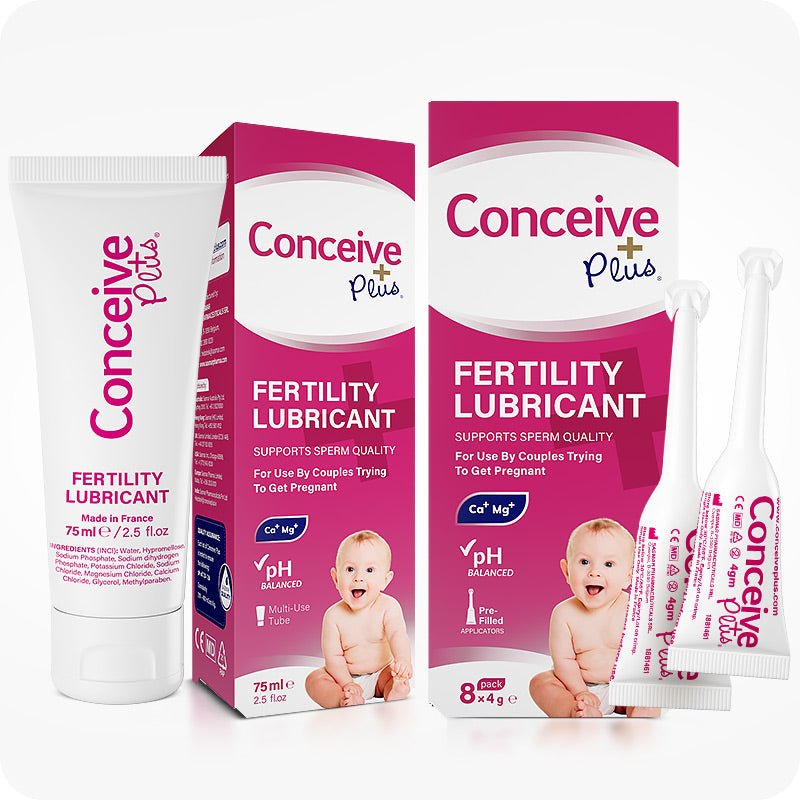
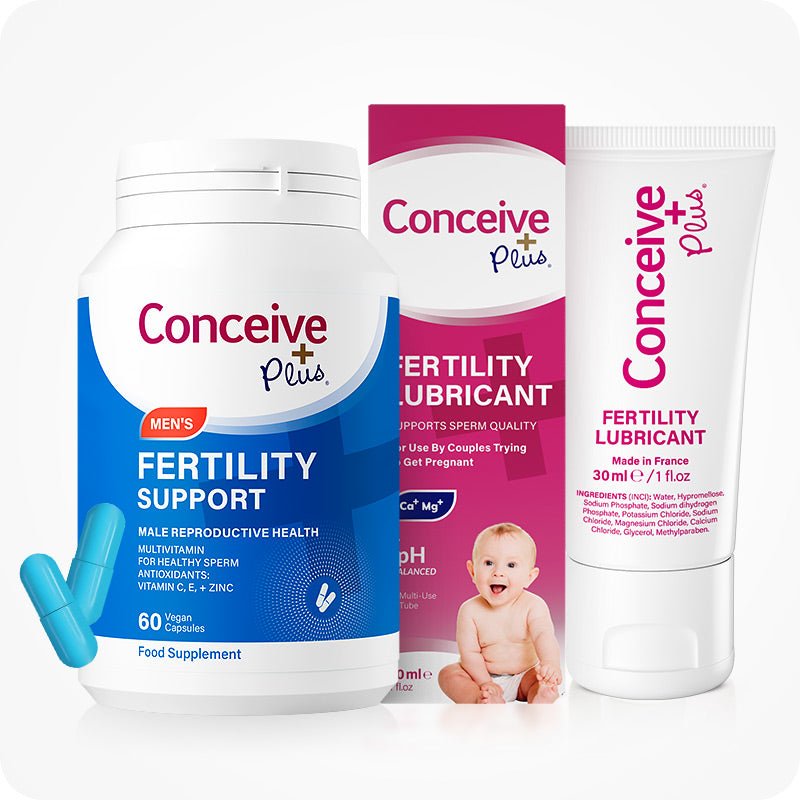
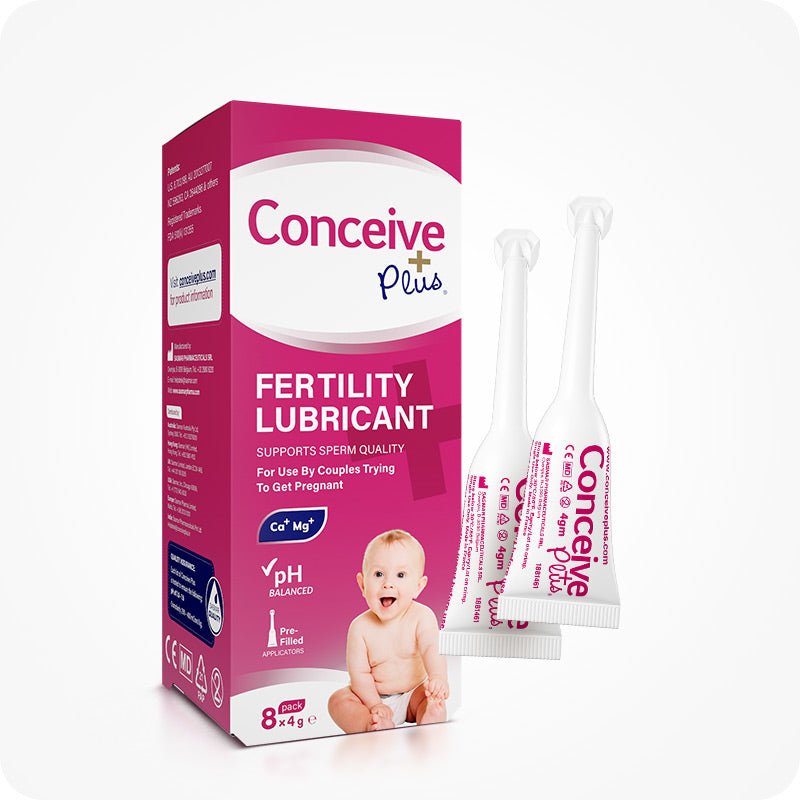
Our Fertility Lubricant is formulated to mimic fertile-quality cervical mucus — safe for sperm, comfortable for intimacy, and designed to support your conception goals. Shop Conceive Plus Lubricant
The fertile window is defined by two biological facts: sperm can survive in the female reproductive tract for up to five days, and the egg is viable for only 12 to 24 hours after ovulation. This means that intercourse occurring in the days before ovulation can result in pregnancy, even if ovulation has not yet occurred at the time of intercourse.
The peak fertility days are the two days immediately before ovulation and ovulation day itself. A landmark study in the New England Journal of Medicine estimated the daily probability of conception as follows:
- Five days before ovulation: approximately 10%
- Four days before ovulation: approximately 16%
- Three days before ovulation: approximately 20%
- Two days before ovulation: approximately 28%
- One day before ovulation: approximately 30%
- Ovulation day: approximately 21%
- One day after ovulation: approximately 8%
Understanding these probabilities changes how you approach timing. Rather than focusing exclusively on ovulation day — which many couples do — the data clearly shows that the two days before ovulation offer the highest chances. This means having intercourse regularly throughout the follicular phase, not just on a single "target" day.
How to Identify Your Fertile Window Accurately
Several methods can help you identify your fertile window with increasing precision. The most effective approach combines multiple methods, as each has strengths and limitations.
Cervical mucus observation is one of the most practical real-time indicators. As oestrogen rises in the days before ovulation, cervical mucus becomes more abundant, clearer, and more slippery — resembling raw egg whites. This fertile-quality mucus serves two critical functions: it helps sperm swim through the cervix and provides nutrients that sustain sperm survival for up to five days. When you observe egg-white cervical mucus, you are in your fertile window, and intercourse on these days offers the highest conception probability.
Ovulation predictor kits (OPKs) detect the LH surge that occurs 24–36 hours before ovulation. When you get a positive OPK, ovulation is approaching, and the next two days are your peak fertility window. However, OPKs tell you ovulation is coming, not that it has happened. Combining OPKs with BBT charting — which confirms ovulation after it occurs — gives you both prediction and confirmation.
Fertility tracking apps have made this process easier, but they are only as accurate as the data you provide. A 2023 study in Digital Health found that app predictions were accurate within one day for 78% of cycles when users consistently logged BBT and OPK results. Apps that rely solely on period start dates without other biomarkers are significantly less accurate.
How Often Should You Have Intercourse During the Fertile Window?
The question of frequency is a common source of anxiety for couples trying to conceive. Some worry that having sex too often will deplete sperm quality, while others fear that not having it often enough will miss the window. The evidence provides reassuring guidance.
Research published in Fertility and Sterility found that daily intercourse during the fertile window resulted in the highest pregnancy rates, but every-other-day intercourse was nearly as effective. Sperm quality — specifically sperm DNA fragmentation — actually improves with more frequent ejaculation, as sperm spend less time in the epididymis where oxidative damage can accumulate.
A 2024 systematic review concluded that couples should aim for intercourse every one to two days during the fertile window, starting at least three to four days before expected ovulation. This frequency ensures that viable sperm are present in the reproductive tract whenever ovulation occurs, without creating undue pressure or performance anxiety.
Perhaps most importantly, couples should not restrict intercourse to the fertile window alone. Regular intimacy throughout the cycle reduces stress, strengthens emotional connection, and ensures that if ovulation timing varies — which it does in most cycles — you are still covered.
The Role of Fertility Lubricants in Timing Success
One often-overlooked factor in intercourse timing is the quality of the cervical environment that sperm encounter. Many couples use commercial lubricants during intercourse, not realising that most personal lubricants are harmful to sperm. Standard lubricants can reduce sperm motility by 60–100% in laboratory studies, effectively neutralising the benefit of perfect timing.
Fertility-friendly lubricants like Conceive Plus are formulated to mimic the ionic balance and pH of fertile-quality cervical mucus. Unlike standard lubricants, they do not contain glycerin, parabens, or other ingredients that can damage sperm. A randomised controlled trial published in the Journal of Family Medicine and Primary Care found that couples using a sperm-friendly lubricant had significantly higher pregnancy rates over six months compared to those using no lubricant or standard products.
When you are timing intercourse to your fertile window, the last thing you want is for a well-timed effort to be undermined by an incompatible lubricant. Switch to a clinically tested fertility lubricant before your next fertile window and ensure that every aspect of your timing strategy is optimised.
Common Timing Mistakes and How to Fix Them
Even with the best intentions, couples make predictable timing mistakes. One of the most common is waiting for a positive OPK to start having intercourse. While this is better than nothing, it misses the crucial days before the LH surge when conception probability is already rising. Start having intercourse when you first notice fertile-quality cervical mucus, which typically appears three to five days before ovulation.
Another mistake is focusing entirely on the fertile window and avoiding intercourse at other times. This can create pressure, reduce intimacy, and lead to relationship strain. A study in the Journal of Sexual Medicine found that couples who restricted intercourse to the fertile window reported lower relationship satisfaction and higher anxiety than those who maintained regular intimacy throughout the cycle.
Inconsistent tracking is equally problematic. If you track ovulation one cycle but not the next, you cannot confidently time intercourse in the cycles you do not track. Ovulation timing varies: a 2019 study of over 600,000 cycles found that fewer than 20% of women ovulate on the same cycle day every month. Track consistently.
When to Seek Help Despite Perfect Timing
Even with perfect timing, conception is not guaranteed in any single cycle. The probability of pregnancy per fertile window is approximately 25–30% for healthy couples in their 20s and early 30s. This means that most couples will conceive within six cycles of well-timed intercourse, but some will take longer even when everything is functioning normally.
If you have been timing intercourse to your fertile window for 12 months (or six months if over 35) without conception, it is time to consult a fertility specialist. Timing may not be the issue — underlying factors such as tubal blockage, low ovarian reserve, or sperm quality problems may require medical evaluation and treatment.
In the meantime, continue timing, but do not let it consume your life or your relationship. Use a fertility-friendly lubricant, track with at least two methods, and remember that each cycle brings new opportunities. You are not racing against a clock — you are learning your body's unique rhythm.
Support Every Step of Your Journey
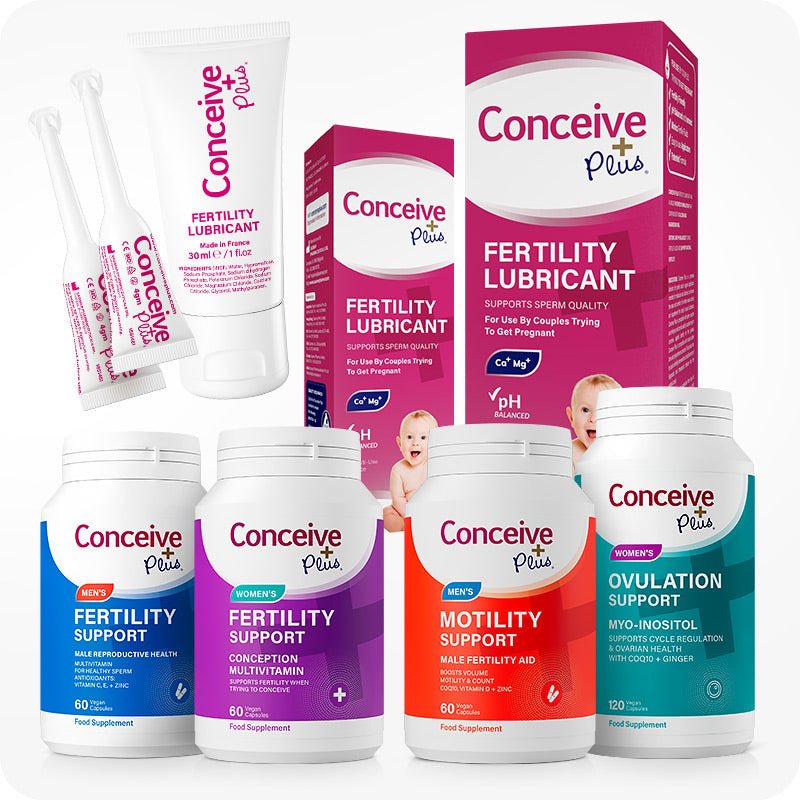
Browse Conceive Plus fertility lubricants, supplements, and ovulation support — science-backed products designed for your conception journey. Shop All Products
Frequently Asked Questions About Timing Intercourse
Q: Can too much sex reduce sperm quality?
A: No. Daily ejaculation during the fertile window is safe and may actually improve sperm DNA quality by reducing the time sperm spend in storage.
Q: How long after sex does sperm reach the egg?
A: Motile sperm can reach the fallopian tubes within 30 minutes of intercourse. However, sperm that arrive early may wait in the cervical crypts for ovulation, surviving up to five days in fertile-quality mucus.
Q: Does orgasm affect conception?
A: Female orgasm is not required for conception. Some theories suggest uterine contractions during orgasm may help transport sperm, but the evidence is inconclusive.
Q: Should I stay lying down after intercourse?
A: Lying down for 10–15 minutes after intercourse may help, but it is not essential. Sperm reach the cervix within seconds of ejaculation regardless of position.
Q: Can stress affect my fertile window?
A: High stress can delay ovulation by suppressing the LH surge. This shifts the fertile window later in the cycle, potentially causing couples to miss it if they are not tracking consistently.
Q: Does position matter for conception?
A: No position has been proven superior for conception. Any position that deposits sperm near the cervix is effective. The focus should be on timing, not position.
Q: How do I know if I'm using the right lubricant?
A: Look for a lubricant labelled "fertility-friendly" or "sperm-safe." Conceive Plus Fertility Lubricant is clinically tested to be compatible with sperm and is formulated to mimic fertile cervical mucus.
Q: Can I use OPKs alone to time intercourse?
A: OPKs are effective for identifying the LH surge but may miss the pre-surge fertile days. For best results, combine OPKs with cervical mucus observation.
Q: Does age affect timing success?
A: Age primarily affects egg quality, not the timing window itself. However, because fertility declines with age, the margin for timing errors becomes smaller, making accurate tracking even more important.
Q: What if my cycles are irregular?
A: Irregular cycles make timing more challenging but not impossible. Track cervical mucus and BBT consistently, and consider using a fertility monitor that measures oestrogen and LH together.