Preparing Your Body for Pregnancy: The Ultimate Preconception Checklist for 2026


Did you know that by 2024, the percentage of women in the U.S. starting prenatal care in their first trimester dropped to 75.5%? This decline highlights a growing gap in early support, yet the weeks before you conceive are often the most critical for fetal development. When you begin preparing your body for pregnancy, you aren't just thinking about the future; you're taking active steps to reduce risks like neural tube defects, which still affect about 3,000 pregnancies in the U.S. each year.
It's natural to feel overwhelmed by the conflicting advice found online or anxious about how long it might take to see a positive test. You want to ensure you're doing everything possible to foster a healthy environment for your baby, but the sheer volume of information can be paralyzing. We're here to replace that uncertainty with a clear, evidence-based roadmap that prioritizes your peace of mind and your future baby's health.
This 2026 guide offers a comprehensive, step-by-step plan to optimize your health before conception. We'll explore the latest medical recommendations for folic acid, discuss the vital role of mental well-being, and provide a practical checklist to help you feel confident and ready for this next chapter.
Key Takeaways
- Establish a medical baseline by scheduling a preconception checkup and reviewing medications at least three to six months before you begin trying.
- Identify the specific nutrients and bioavailable supplements required to build a healthy environment for fetal development before conception occurs.
- Learn how to accurately track your natural rhythm and identify your fertile window as a strategic step in preparing your body for pregnancy.
- Discover the essential lifestyle adjustments and partner-specific health tips that can improve both egg and sperm quality for a faster conception.
The Preconception Medical Checklist: Setting Your Foundation
Preparing your body for pregnancy is a proactive process that begins in your doctor’s office. While many wait until they are already pregnant to seek care, scheduling a consultation at least three to six months before you start trying is a smarter strategy. This visit allows you to receive personalized pre-conception medical advice and identify potential health hurdles early. During this time, you must review all current medications and supplements. Some prescriptions require a transition period to safer alternatives, and it's better to make those changes now rather than during the first trimester.
To better understand how targeted nutrition and supplementation support these medical goals, watch this helpful video:
Don't overlook your immunization records. Protecting yourself against Rubella and Chickenpox is vital because these illnesses can lead to serious birth defects. Since these vaccines use live viruses, you'll need to wait at least one month after the shot before conceiving. Don't skip the dentist, either. Periodontal disease is linked to pregnancy complications like preterm birth and low birth weight. Addressing gum health now ensures one less risk factor during your 40 weeks of gestation.
Essential Blood Tests and Screenings
A standard checkup often misses the nuances of fertility. Request a full iron panel and Ferritin check; iron deficiency is a leading cause of pregnancy fatigue and anemia. You should also test your Vitamin D levels. Deficiency is common and can negatively impact both ovulation and immune response. Finally, screen for STIs and consider genetic carrier screening. Knowing if you or your partner carry genes for conditions like cystic fibrosis helps you make informed choices before you conceive. These screenings are essential because neural tube defects still affect about 3,000 pregnancies each year in the United States, and early knowledge is power.
Managing Chronic Conditions
If you have an existing health condition, stability is your goal. For those with Type 1 or Type 2 diabetes, reaching a target A1c level is crucial to prevent complications. Thyroid health is another major factor. Your TSH levels should be within a tight range specifically for conception, which is often narrower than general health standards. If you have high blood pressure, talk to your provider about switching to pregnancy-safe medications. Managing these factors now builds a sturdy foundation for a healthy pregnancy in 2026.
Nutritional and Supplementation Strategy for 2026
Your nutritional status today determines the quality of your eggs and sperm 90 days from now. When preparing your body for pregnancy, starting a high-quality prenatal vitamin at least three months before your first attempt is essential. This window allows your body to accumulate the micronutrients necessary for the earliest stages of fetal development. A Mediterranean-style diet, rich in plant proteins, healthy fats, and whole grains, provides a proven framework for preparing for a healthy pregnancy. Focus on replacing processed carbohydrates with complex options like quinoa and chickpeas to keep insulin levels stable, which directly supports regular ovulation.
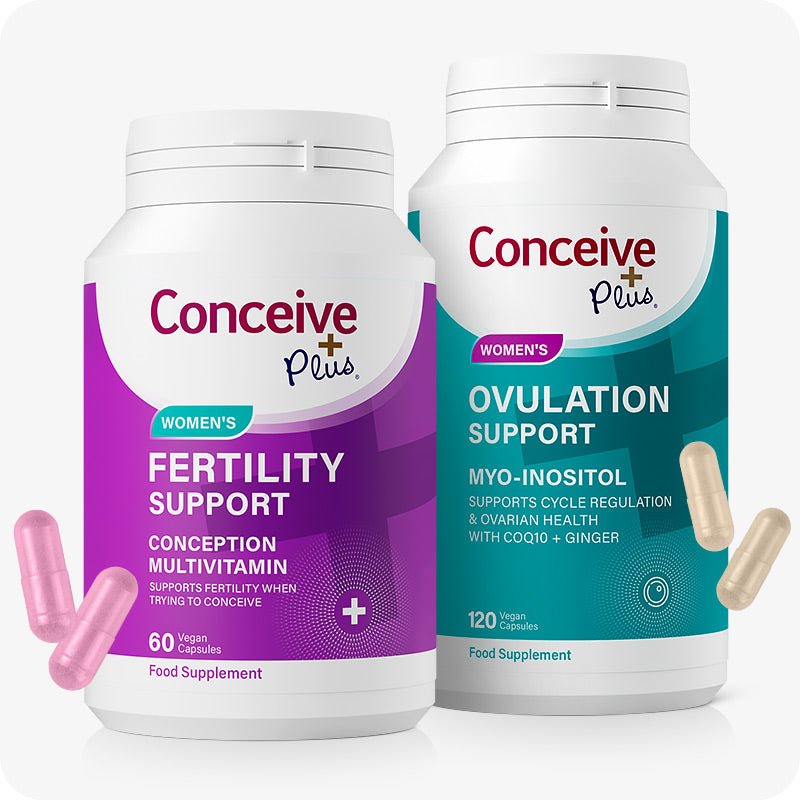
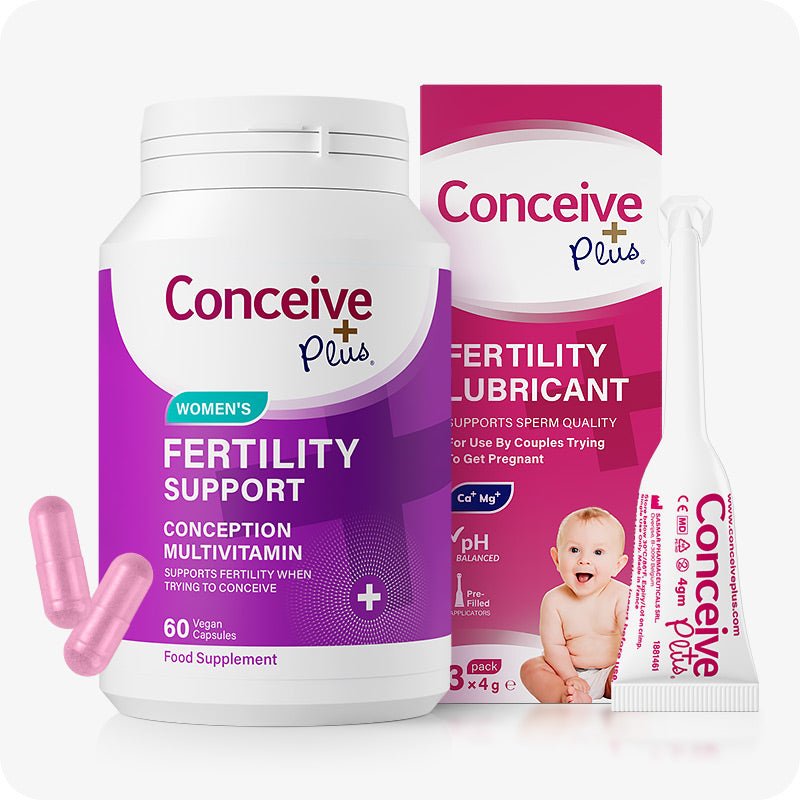
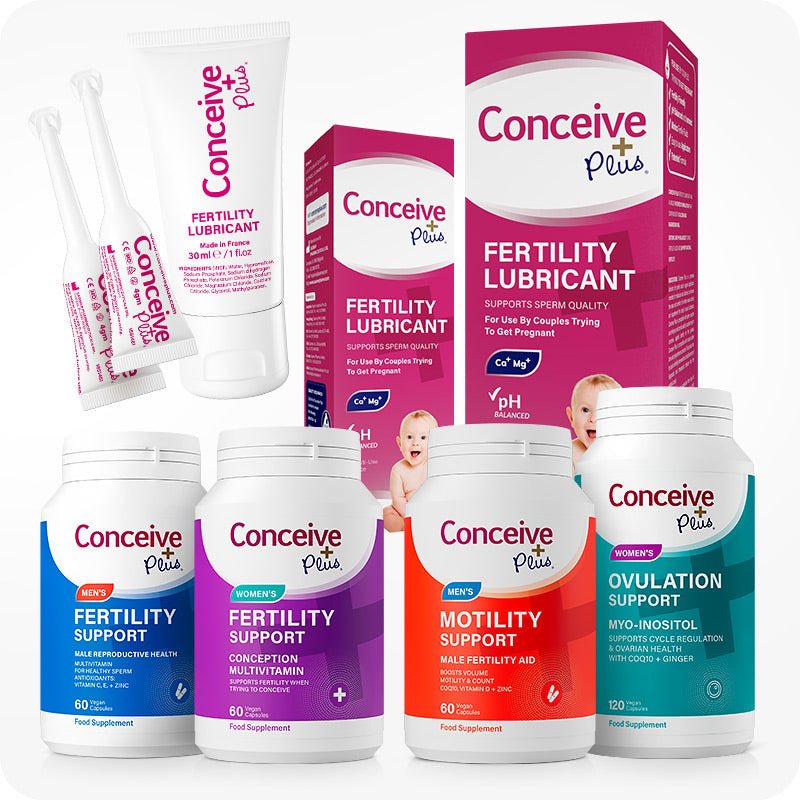
Modern supplementation in 2026 emphasizes bioavailability. Many women now prefer methylfolate over synthetic folic acid to ensure their bodies can process the nutrient effectively, especially if they have certain genetic variations. Don't forget Omega-3 fatty acids. These healthy fats are critical for your future baby’s brain and eye development. If you find the array of options confusing, you can use specialized fertility bundles to simplify your routine and ensure you're meeting all clinical recommendations without the guesswork.
The Role of Folic Acid and Iron
Folic acid is the primary B-vitamin responsible for healthy spinal and neural tube development. The U.S. Preventive Services Task Force recommends a daily intake of 0.4 to 0.8 mg starting at least one month before conception. It's equally vital to build your iron stores now. During pregnancy, your blood volume expands significantly, and entering that phase with low ferritin can lead to severe exhaustion. You can naturally boost these levels by incorporating iron-rich foods like lentils and spinach into your weekly meal prep. Pairing these with vitamin C-rich foods, such as citrus or bell peppers, will enhance absorption.
Fertility-Boosting Superfoods
Antioxidants play a defensive role in your fertility journey. Berries, such as blueberries and raspberries, are packed with phytochemicals that protect egg and sperm health from oxidative stress. Interestingly, research suggests that full-fat dairy may be more beneficial for ovulatory function than low-fat alternatives. A serving of whole-milk yogurt or a splash of cream in your coffee can provide the fat-soluble vitamins and hormonal support your cycle needs. If you’re ready to take the next step in your journey, exploring high-quality fertility support products can give you the edge you need for a successful conception.
Lifestyle and Environmental Optimization

✨ Trying to Conceive?
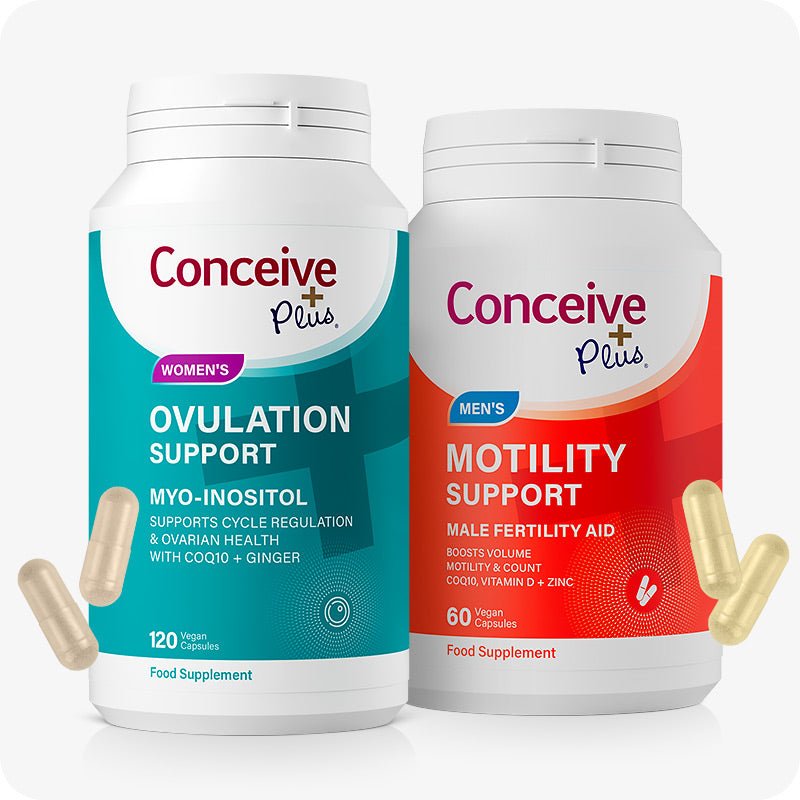
Our fertility supplements combine Myo-Inositol with essential vitamins to support healthy hormone balance and regular ovulation.
Shop Now — $44.98✓ Free shipping available | ✓ Trusted by millions of couples worldwide
Beyond medical visits and vitamins, your daily habits shape your fertility potential. Reaching a healthy Body Mass Index (BMI) is one of the most effective ways to regulate ovulation and reduce the risk of gestational diabetes or hypertension later. When preparing your body for pregnancy, certain lifestyle changes are non-negotiable. The CDC’s 2026 guidance remains firm: there's no known safe amount of alcohol while trying to conceive. Likewise, tobacco and vaping damage egg quality and should be eliminated immediately. You should also limit caffeine to under 200mg per day, which is roughly one 12oz cup of coffee, to support healthy implantation.
Environmental toxins often go overlooked in standard fertility advice. Conduct an audit of your home for endocrine disruptors like phthalates and BPA. These are commonly found in plastic food containers, synthetic fragrances, and even thermal paper receipts. These chemicals can mimic hormones and interfere with your natural reproductive signals. Switching to glass storage containers and fragrance-free detergents is a simple but powerful way to protect your endocrine system from these invisible interferences.
Exercise: Finding the "Goldilocks" Zone
High-intensity interval training (HIIT) can be excellent for general health, but excessive physical strain may signal to your body that it isn't a safe time to reproduce. Moderate-intensity activities like yoga and brisk walking are ideal. These movements maintain consistent blood flow to the pelvic area without spiking stress hormones. If you notice your cycle becoming irregular or experience mid-cycle spotting, it might be a sign you're pushing too hard. Balance is key. You want to stay active enough to support circulation but not so exhausted that you disrupt your hormonal rhythm.
Stress Management and Mental Wellness
Chronic stress triggers high cortisol levels, which can delay or even prevent ovulation. For the busy "trying to conceive" parent, five minutes of deep breathing or a guided meditation can lower your heart rate and signal safety to your reproductive system. Aligning expectations with your partner is equally important. Discussing your fertility timeline early helps prevent the anxiety that often comes with the monthly "two-week wait." If you want to take the guesswork out of your timing, using an ovulation calculator can provide clarity and reduce the stress of manual tracking.
Understanding Your Cycle: The Strategic Preparation
Many people assume that stopping birth control is the final step before conception. However, true preparation involves understanding that your body may take several months to return to its natural rhythm. When you are preparing your body for pregnancy, you need to distinguish between a "regular" cycle and an "ovulatory" cycle. Just because you have a monthly bleed doesn't mean you're releasing an egg. Tracking your cycle early allows you to identify these patterns and address any irregularities before you start the active "trying" phase.
Technology and biological markers take the guesswork out of this process. By monitoring your basal body temperature (BBT) and cervical mucus, you gain a window into your hormonal health. This data is far more reliable than generic calendar apps. If your cycle doesn't regulate within three months of stopping hormonal contraceptives, it’s a clear signal to consult your healthcare provider for further investigation. This phase is about gathering data so that when you're ready to start, you aren't wasting time on cycles where ovulation isn't occurring.
How to Track Your Ovulation
- Step 1: Mark the first day of your period as Day 1. This is the start of your follicular phase and the baseline for your entire month.
- Step 2: As you approach mid-cycle, look for "egg white" cervical mucus. This clear, stretchy fluid is a sign that estrogen is rising and ovulation is near.
- Step 3: Use an online ovulation calculator to cross-reference your physical symptoms and predict your most fertile days with higher accuracy.
Timing Intimacy for Success
The three days leading up to ovulation are the most critical. Sperm can live inside the reproductive tract for up to five days, but the egg only survives for 12 to 24 hours after release. You don't necessarily need to have intercourse every day; every other day is often sufficient to maintain high-quality sperm counts while ensuring a fresh supply is waiting for the egg. This approach reduces the performance pressure that many couples feel during the fertile window.
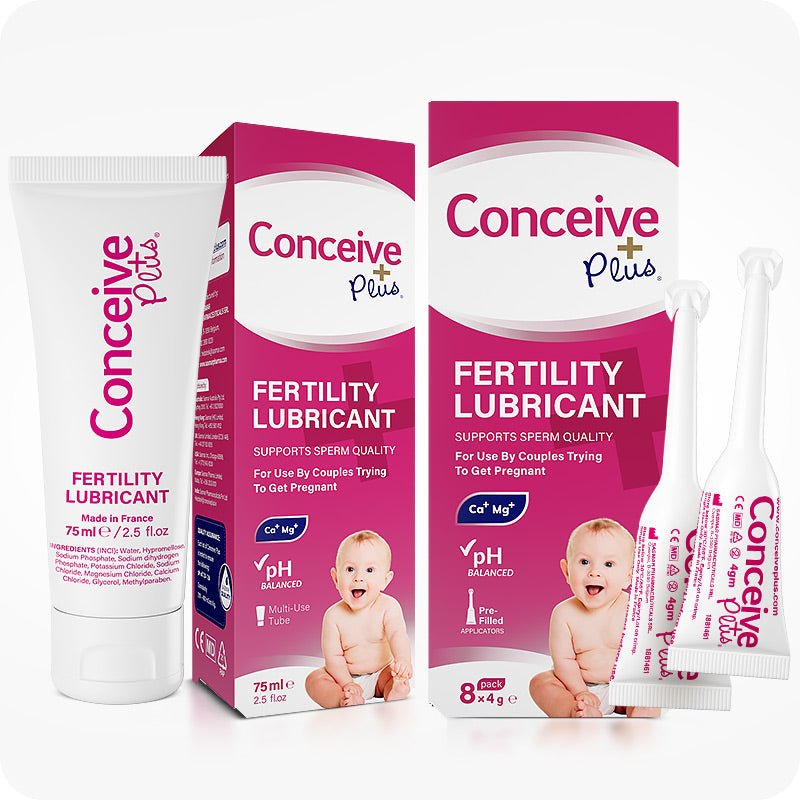
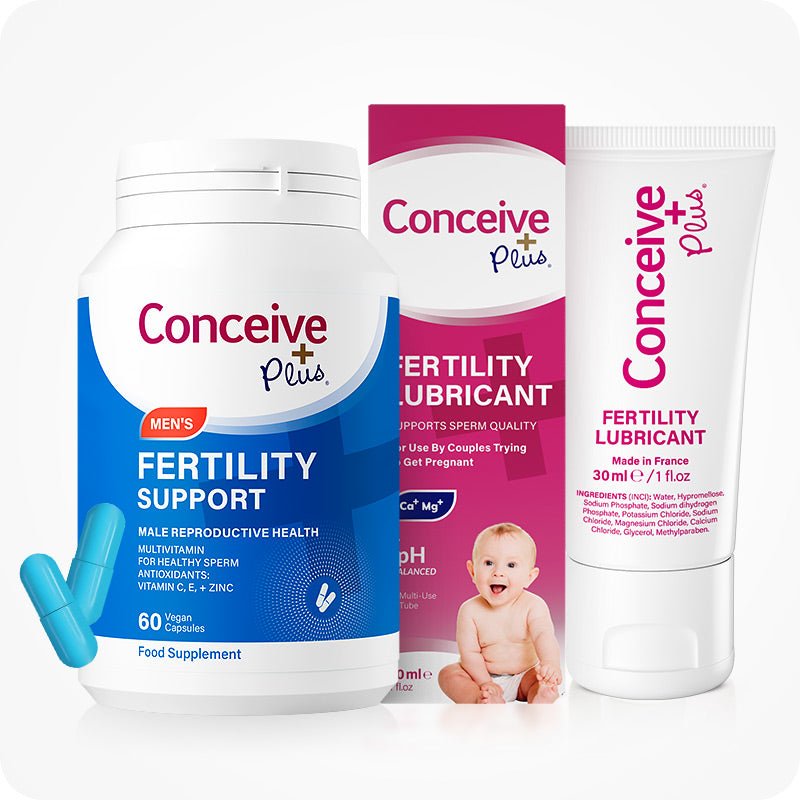
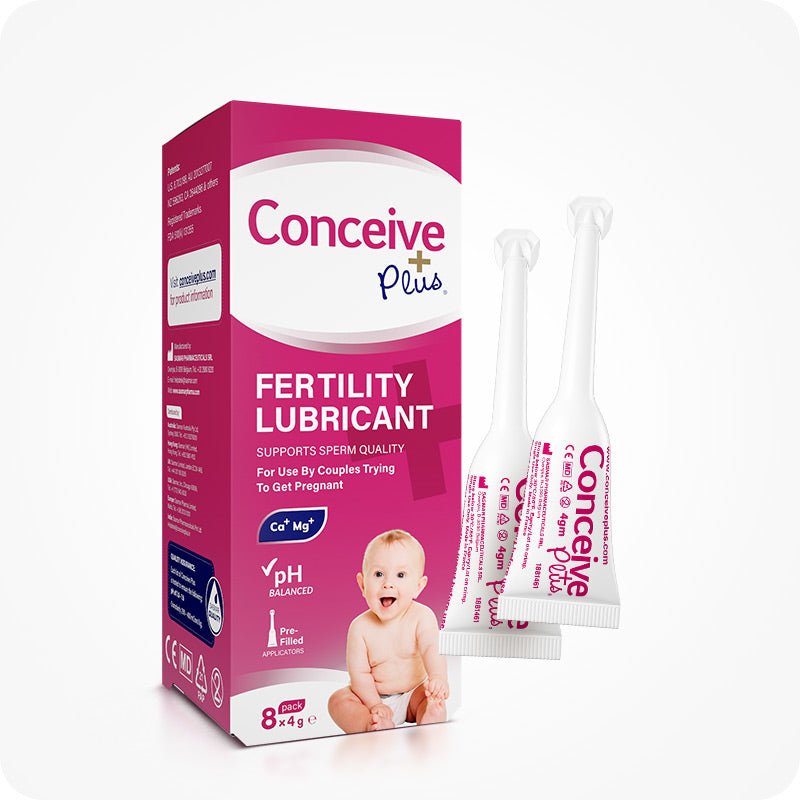
Be mindful of the products you use during this time. Many standard lubricants have a low pH and contain ingredients that can hinder sperm motility or even act as a barrier. Switching to fertility-friendly lubricants ensures that the environment remains supportive of sperm travel. By aligning your intimacy with your biological markers, you maximize your chances of a successful conception in every cycle.
The Partner’s Checklist and Final Steps
Conception is a partnership, yet many guides focus solely on the person carrying the baby. When you're preparing your body for pregnancy, your partner's health is equally significant. Male partners contribute half of the genetic blueprint, and sperm quality directly impacts how long it takes to conceive. Creating a shared "preconception pact" helps both of you stay committed to these changes. This includes reviewing your partner’s alcohol and tobacco use, as these habits are linked to increased DNA fragmentation in sperm, which can affect embryo development and increase the risk of early pregnancy loss.
Environmental factors also play a role in paternal fertility. Heat is a known enemy of sperm production. Encourage your partner to avoid keeping a laptop directly on their lap and to skip the sauna or hot tub for a few months. Even switching from tight-fitting underwear to boxers can make a measurable difference in maintaining the optimal temperature for sperm health. Since it takes about 90 days for new sperm to mature, these lifestyle adjustments should begin well before you start your first active cycle.
Sperm Health Optimization
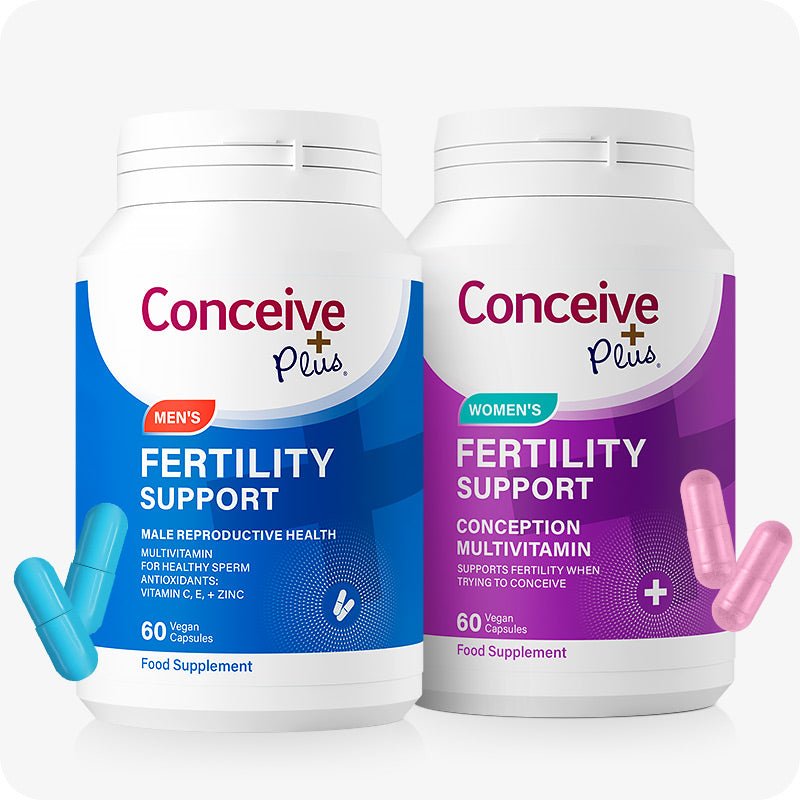
The 90-day lifecycle of sperm means that the choices your partner makes today won't be reflected in their fertility for another three months. This is why early preparation is vital. A diet rich in antioxidants, healthy fats, and lean proteins supports sperm morphology and motility. Specific minerals like Zinc and Selenium are essential for maintaining the structural integrity of sperm cells. Encouraging your partner to start a fertility-specific multivitamin ensures they're getting these targeted nutrients in the correct dosages to support a healthy conception alongside your own efforts.
Final Preparation: The First Month of Trying
As you transition from the preparation phase to active trying, do so with confidence. You've optimized your nutrition, tracked your cycle, and addressed environmental risks. If you don't conceive in the first few months, don't panic. For couples under 35, it's normal for the process to take up to a year. However, if you're over 35 or have known health issues, consider seeking a fertility consultation after six months of well-timed intimacy. To help you get started with the right tools, you can check out special offers for essential TTC kits that simplify the journey. By following this comprehensive roadmap, you've given your future family the strongest possible start.
Your Path to a Healthy Pregnancy Starts Today
You've now gained a complete roadmap for the months ahead. From securing your medical foundation and optimizing your nutrition to tracking your cycle and involving your partner, every step you take today builds a safer environment for your future baby. By following this comprehensive checklist, you are actively preparing your body for pregnancy with the latest 2026 health standards in mind. This proactive approach doesn't just improve your fertility; it provides the peace of mind that you're doing everything right from the start.
Ready to turn your preparation into action? Explore the Conceive Plus Fertility Collection to support your journey. Our products are formulated by doctors to support natural fertility and healthy conception. Trusted by millions of couples in over 70 countries, we provide the specialized support you need as you move from planning to trying.
Your journey to parenthood is unique, and taking these early steps is a powerful act of love for your future child. Stay patient with yourself and your body as you navigate this exciting transition. You've got the tools and the plan; now it's time to begin.
Frequently Asked Questions
How long does it take to prepare your body for pregnancy?
Ideally, you should begin your preparation three to six months before you start trying to conceive. This timeframe allows your body to reach optimal nutrient levels and gives you space to establish a consistent exercise routine. It also covers the 90-day maturation cycle for eggs, ensuring that the lifestyle changes you make today have a direct impact on the quality of the egg released several months from now.
Can I get pregnant immediately after stopping the pill?
Yes, you can conceive immediately after stopping hormonal birth control, although it's common for the body to take a few months to regulate. Some women experience a quick return to fertility, while others may face a delay in ovulation as their natural hormones recalibrate. Tracking your cycle with basal body temperature or cervical mucus can help you identify exactly when your fertile window returns after stopping the pill.
What is the most important vitamin to take before getting pregnant?
Folic acid is the most vital nutrient to prioritize, as it's essential for the early development of the baby’s brain and spine. Clinical guidelines recommend taking 400 to 800 mcg daily starting at least one month before conception. While other nutrients like iron and iodine are important, ensuring adequate folate levels is the most effective way to prevent neural tube defects during the first few weeks of pregnancy.
How does weight affect my ability to conceive?
Your weight directly influences hormone production, which can either stabilize or disrupt your ovulatory cycle. Both a high and low BMI can lead to hormonal imbalances that make it harder for an egg to be released regularly. Reaching a healthy weight range when preparing your body for pregnancy helps ensure that your estrogen and insulin levels remain in the optimal zone for both conception and a safe gestation.
Should my partner take supplements while we are trying to conceive?
Your partner’s health is just as important as your own, so they should definitely consider taking fertility-specific supplements. Nutrients like zinc, selenium, and antioxidants protect sperm from oxidative damage and improve overall motility. Since sperm maturation takes roughly three months, starting a supplement regimen early ensures that the sperm is at its healthiest when you reach your most fertile window together.
Is it safe to drink caffeine while preparing for pregnancy?
It is safe to consume caffeine in moderation, but you should limit your intake to 200mg per day. This is roughly the amount found in one 12-ounce cup of coffee. High levels of caffeine have been associated with a longer time to conceive and potential risks during early pregnancy. Monitoring your intake while preparing your body for pregnancy helps minimize these risks without requiring you to quit coffee entirely.
What foods should I avoid when trying to conceive?
Focus on avoiding high-mercury fish, such as king mackerel or shark, and limit your intake of processed foods and trans fats. Mercury can stay in your system for months and potentially impact fetal nervous system development. Additionally, reducing sugary drinks and refined carbs helps manage your blood sugar levels, which is critical for maintaining the delicate hormonal balance required for successful and healthy ovulation.
When should I see a doctor if I’m not getting pregnant?
If you are under 35, you should consult a fertility specialist after 12 months of regular, unprotected intercourse. If you are 35 or older, that timeframe drops to six months. You don't have to wait if you have a history of irregular periods, endometriosis, or polycystic ovary syndrome (PCOS). In those cases, it's better to speak with a healthcare provider before you even start trying to ensure a clear path.
🌱 Support Your Fertility Journey
Conceive Plus fertility supplements are clinically formulated to help regulate your cycle and support egg quality.
Shop Fertility Support →Trusted by Couples in Over 70 Countries
Support Male Fertility From the Inside Out
Male fertility is just as important as female fertility in the conception journey. Conceive Plus Men's range delivers targeted nutritional support to promote healthy sperm and overall reproductive wellbeing.
Shop Men's Range →