The Fertility Diet: Evidence-Based Nutrition Strategies to Boost Your Chances of Conception


The relationship between diet and fertility is one of the most compelling areas of modern reproductive science. Emerging research has made it increasingly clear that what you eat — and what you do not eat — has a direct and meaningful impact on hormonal balance, egg quality, sperm health, and the probability of conception. This guide explores the evidence-based nutritional strategies that give your fertility the best possible foundation.
How Nutrition Influences Fertility
Nutrition affects fertility through several interconnected mechanisms. Nutrients are the raw materials from which hormones, enzymes, and reproductive cells are built. They regulate insulin sensitivity, inflammation, oxidative stress, and the intricate hormonal signalling that governs the menstrual cycle, ovulation, and sperm production.
Eggs take approximately 90 days to mature from primordial follicle to ovulation. The nutritional environment during this entire period influences the quality of the egg released. Similarly, sperm take approximately 72 to 74 days to develop — meaning that nutritional changes made today will affect sperm quality three months from now. This underscores the importance of sustained dietary improvement rather than short-term "fertility cleanses."
A Complete Fertility Support System for Both Partners
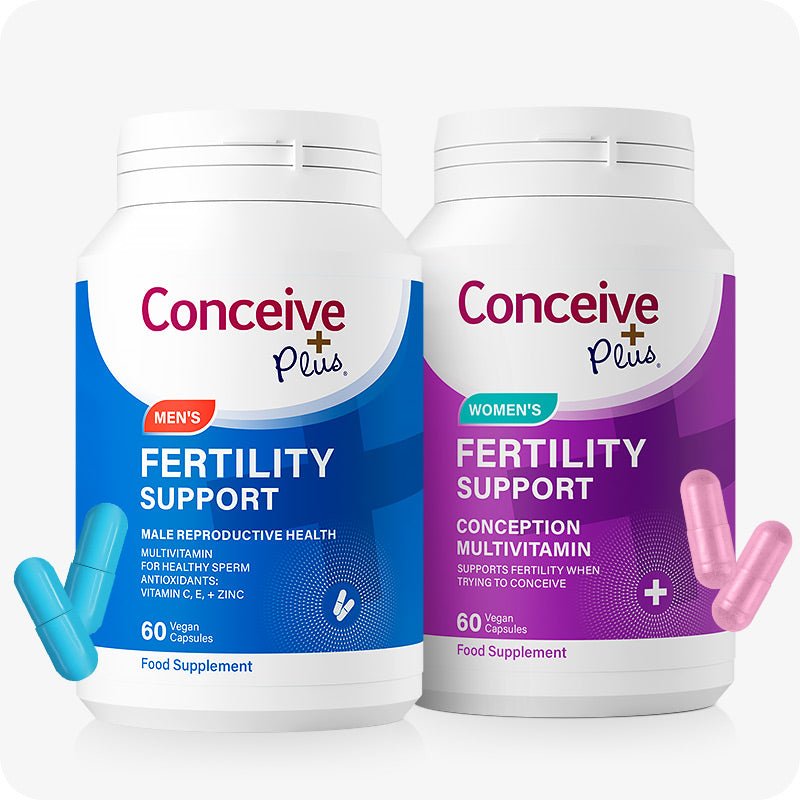
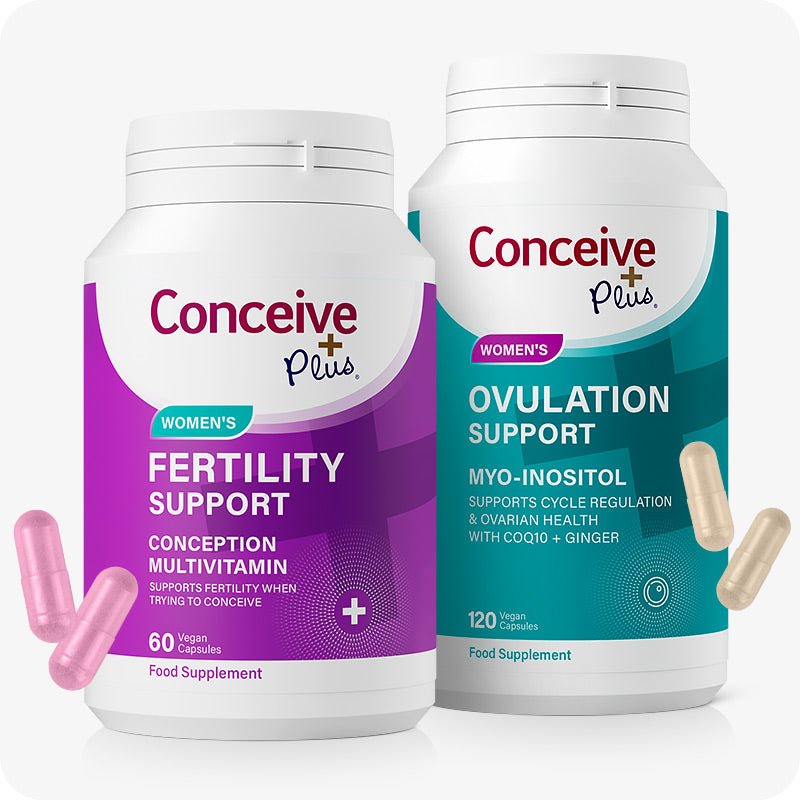
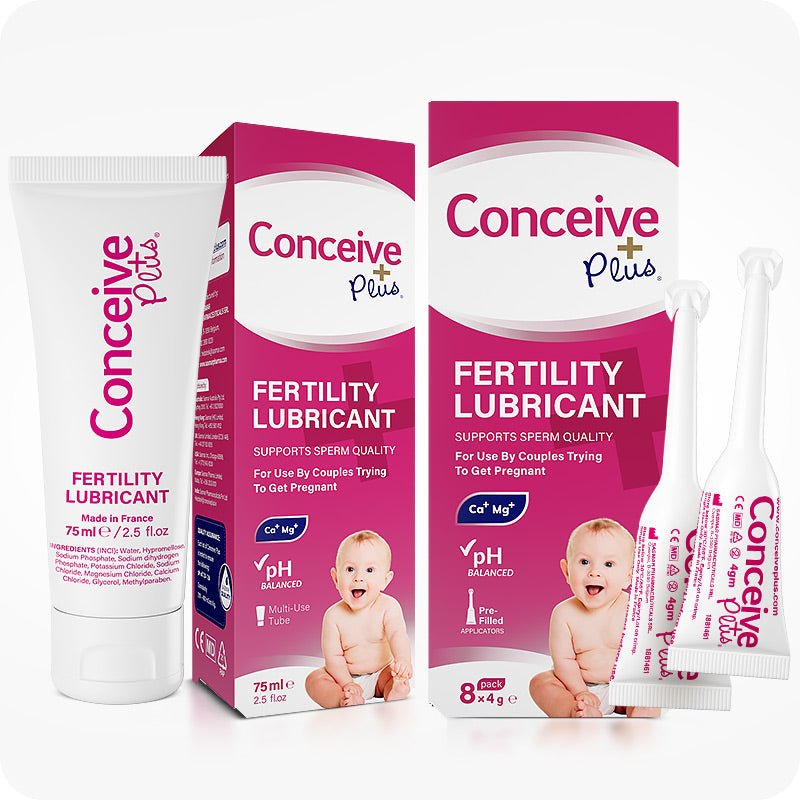
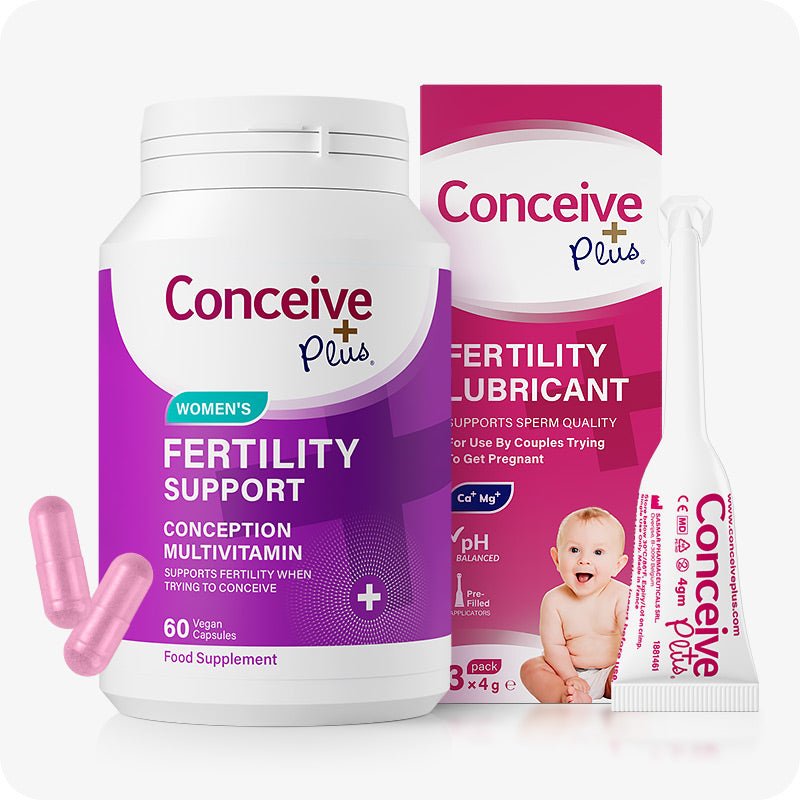
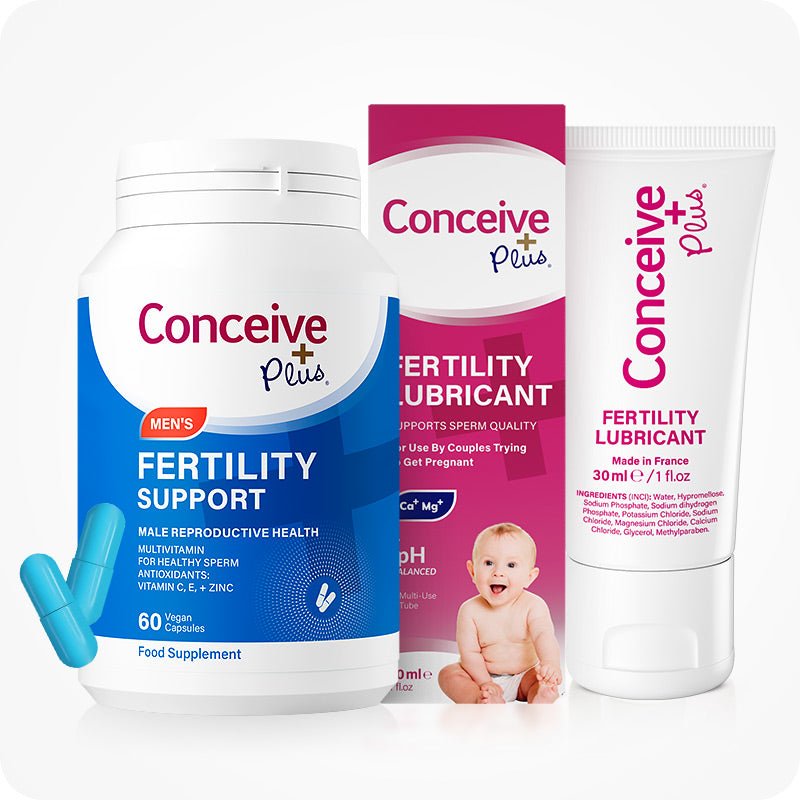
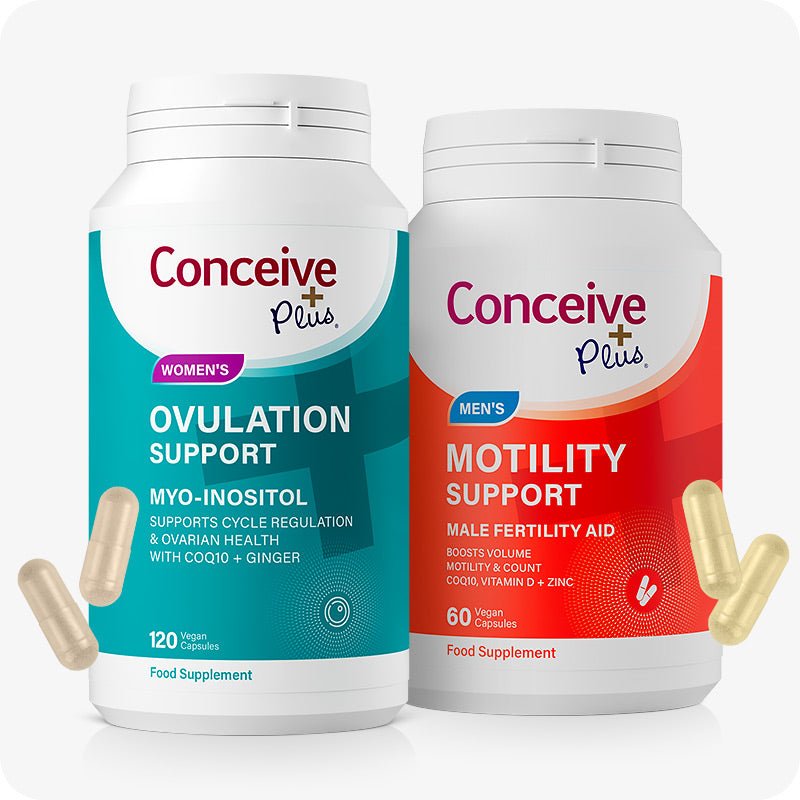
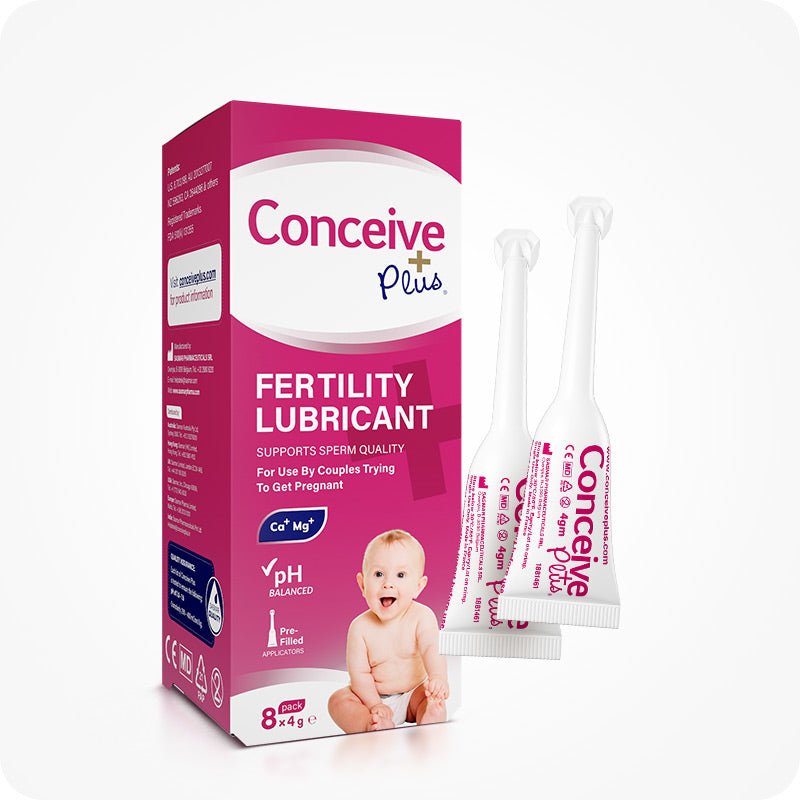
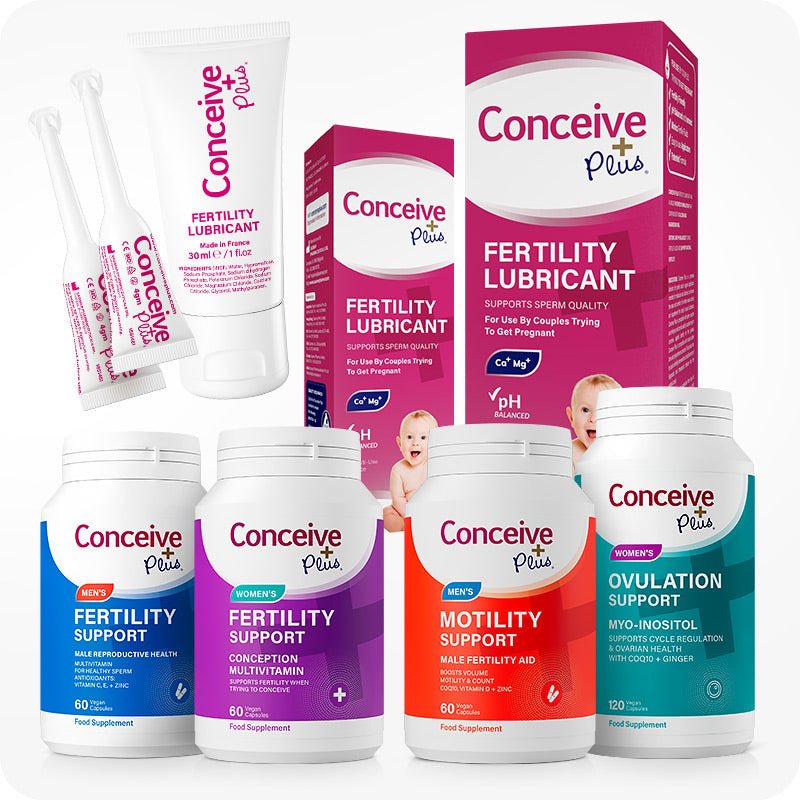
When both partners optimise their nutrition, conception chances improve significantly. Conceive Plus offers a complete range of scientifically formulated fertility supplements for women and men — plus our fertility-friendly lubricant.
The Mediterranean Diet: The Gold Standard for Fertility Nutrition
Of all dietary patterns studied in fertility research, the Mediterranean diet has the strongest and most consistent body of evidence. Characterised by high consumption of vegetables, legumes, whole grains, olive oil, nuts, seeds, fish, and moderate amounts of dairy and wine, with low consumption of red meat and processed foods, it addresses multiple fertility-relevant mechanisms simultaneously.
A prospective cohort study published in Human Reproduction followed women undergoing IVF and found that higher adherence to a Mediterranean dietary pattern was associated with a 40% higher probability of clinical pregnancy. A separate study found that Mediterranean diet adherence in men was associated with significantly better sperm parameters — including higher concentration, motility, and morphology.
Why does the Mediterranean diet work so well for fertility? It reduces insulin resistance, lowers chronic inflammation, provides abundant antioxidants that protect eggs and sperm from oxidative damage, supplies omega-3 fatty acids critical for reproductive cell membrane integrity, and delivers folate-rich vegetables essential for DNA synthesis in developing embryos.
Carbohydrate Quality: The Insulin-Fertility Connection
Insulin resistance — where cells become less responsive to insulin's signalling — is intimately connected to fertility for both women and men. In women, elevated insulin stimulates the ovaries to produce excess androgens, disrupts follicle development, and impairs ovulation. In men, insulin resistance is associated with lower testosterone levels and reduced sperm quality.
The glycaemic index (GI) and glycaemic load (GL) of foods — measures of how quickly and how much they raise blood glucose — are important dietary fertility tools. High-GI foods (white bread, sugary drinks, processed cereals, white rice) cause rapid blood glucose spikes that trigger large insulin responses. Low-GI foods (legumes, whole grains, vegetables, most fruits) cause more gradual glucose rises with smaller insulin responses.
A study from the Nurses' Health Study II, one of the largest studies of diet and ovulatory infertility ever conducted, found that replacing animal protein with plant protein and replacing high-GI carbohydrates with low-GI alternatives were independently associated with significantly lower risk of ovulatory infertility.
Fat Quality: Not All Fats Are Equal
Dietary fat has profound effects on fertility through its influence on hormonal health, inflammation, and cell membrane composition. The type of fat matters far more than the total amount.
Omega-3 fatty acids (EPA and DHA, primarily from oily fish; ALA from flaxseed, walnuts, and hemp seeds) are incorporated into egg and sperm cell membranes, influencing their fluidity, receptor function, and resilience. Higher omega-3 status is associated with better ovarian reserve in women and better sperm morphology and motility in men. Omega-3s also reduce the prostaglandin-driven inflammation that can impair uterine receptivity.
Monounsaturated fats from olive oil, avocados, and nuts have anti-inflammatory properties and support balanced hormone production. Olive oil is a cornerstone of the Mediterranean diet partly because of its oleic acid content and potent polyphenol antioxidants (particularly oleocanthal, which has ibuprofen-like anti-inflammatory properties).
Trans fats are clearly detrimental to fertility. Research from the Nurses' Health Study found a statistically significant increase in ovulatory infertility risk with greater trans fat intake, independent of other dietary factors. Trans fats are found in partially hydrogenated oils, many processed snack foods, and commercial baked goods. They should be eliminated entirely when trying to conceive.
Saturated fat in moderation — from whole food sources like dairy, eggs, and lean meat — is not harmful to fertility and supports steroid hormone production. The key is minimising processed saturated fat sources (fast food, processed meat) while allowing unprocessed whole food sources.
Optimise Your Body for Conception
Conceive Plus Women's Fertility Support provides the evidence-based nutrients your body needs for healthy ovulation and egg quality — including methylfolate, myo-inositol, CoQ10, vitamin D3, and zinc.
Protein: Plant vs. Animal Sources for Fertility
The Nurses' Health Study II, which followed more than 17,000 women, found a striking difference between plant and animal protein in relation to ovulatory infertility. Women who derived a greater proportion of their protein from plant sources — legumes, nuts, seeds — had significantly lower risk of ovulatory infertility. Conversely, higher animal protein intake, particularly from red and processed meat, was associated with increased risk.
This does not mean a vegetarian diet is required for fertility. Chicken, fish, eggs, and dairy did not show the same association as red meat. The practical advice is to diversify protein sources, emphasising legumes (lentils, chickpeas, beans), nuts, seeds, fish, eggs, and poultry, while reducing red and processed meat.
For men, protein quality appears to influence sperm parameters. A study in Human Reproduction found that higher processed meat consumption was associated with poorer sperm morphology in men attending a fertility clinic, while fish consumption was associated with better morphology.
Key Fertility Nutrients and Their Food Sources
Folate: Essential for DNA synthesis and preventing neural tube defects. Found in dark leafy greens (spinach, kale, broccoli), asparagus, lentils, chickpeas, and avocado. The bioavailability of food folate varies; supplementation with methylfolate is recommended for most women trying to conceive.
Zinc: Critical for egg maturation, the "zinc spark" of fertilisation, progesterone production, and sperm function. Found in oysters (the richest source by far), beef, pumpkin seeds, cashews, chickpeas, and dairy.
Iron: Required for DNA synthesis and oxygen transport to developing follicles. Non-haem iron from plant sources (legumes, tofu, dark leafy greens, fortified cereals) is less bioavailable than haem iron from animal sources but can be enhanced by consuming with vitamin C. Women with heavy periods are at particular risk of deficiency.
Vitamin D: Influences follicle development, hormone balance, and uterine receptivity. Few foods provide meaningful amounts; oily fish, eggs, and fortified dairy provide some, but supplementation is almost universally needed in northern latitudes and for darker-skinned individuals.
Selenium: An antioxidant mineral that protects sperm and eggs from oxidative damage. Brazil nuts are by far the richest source — just two or three per day meet the daily requirement. Also found in fish, meat, eggs, and sunflower seeds.
Antioxidants (vitamins C and E, beta-carotene, polyphenols): Protect reproductive cells from free radical damage. Found abundantly in colourful vegetables and fruits, particularly berries, citrus, bell peppers, broccoli, carrots, tomatoes, and dark leafy greens. The variety and vibrancy of your diet directly correlates with antioxidant intake.
The Role of Dairy in Fertility
The relationship between dairy consumption and fertility is nuanced. Full-fat dairy appears to be neutral to beneficial for female fertility, while low-fat dairy may be counterproductive. The Nurses' Health Study found that high intake of low-fat dairy was associated with increased risk of anovulatory infertility, while high intake of full-fat dairy was associated with lower risk.
The proposed mechanism involves the fat-soluble sex hormones naturally present in dairy (oestrogen, progesterone, androstenedione). In full-fat dairy, these hormones remain associated with fat and may have different biological effects than the hormone compounds remaining in low-fat dairy after the fat is removed. Whether to include dairy and in what form is ultimately a personal choice, but there is no evidence that moderate amounts of full-fat dairy are harmful for fertility.
Alcohol, Caffeine, and Fertility
Alcohol: Evidence is reasonably clear that regular alcohol consumption impairs fertility in both women and men. A systematic review found that even moderate alcohol intake (7 to 14 drinks per week) was associated with reduced fecundability — the probability of conceiving in a given cycle. Alcohol increases oestrogen levels, disrupts hormonal signalling, and is toxic to developing eggs and sperm. Most fertility specialists recommend avoiding alcohol entirely when trying to conceive.
Caffeine: The evidence on caffeine is less clear-cut than alcohol. High caffeine intake (more than 300 to 500 mg daily, or more than three to five cups of coffee) has been associated with longer time to conception and increased miscarriage risk in some studies, while moderate intake (one to two cups daily) shows minimal impact. The conservative recommendation is to limit caffeine to 200 mg per day (approximately two small cups of coffee) when trying to conceive.
Practical Meal Planning for Fertility
Implementing fertility nutrition does not require perfection or radical dietary overhaul. Small, consistent changes make a meaningful difference. Here is a practical framework:
Build each meal around vegetables: Aim for half your plate to be colourful non-starchy vegetables at each main meal. Variety matters as much as quantity — different vegetables provide different phytonutrients and antioxidants.
Choose whole grains over refined: Replace white bread, white rice, and refined pasta with whole grain versions. Brown rice, quinoa, oats, barley, and whole wheat bread have lower GI scores and provide more fibre, vitamins, and minerals.
Eat legumes frequently: Chickpeas, lentils, kidney beans, and soybeans are powerhouses of plant protein, folate, zinc, iron, and fibre. Include them in meals at least four to five times per week.
Prioritise oily fish: Salmon, sardines, mackerel, herring, and anchovies are the richest dietary sources of EPA and DHA. Aim for two to three portions per week.
Use olive oil as your primary cooking fat: Extra virgin olive oil provides monounsaturated fats and antioxidant polyphenols. Use it for cooking, salad dressings, and drizzling over vegetables.
Snack on nuts and seeds: Walnuts (omega-3s), almonds (vitamin E), pumpkin seeds (zinc), and sunflower seeds (selenium, vitamin E) are ideal fertility snacks.
Frequently Asked Questions
Q: Does diet really affect fertility?
Yes, significantly. Diet influences hormone balance, insulin sensitivity, inflammation, oxidative stress, egg quality, and sperm health — all factors directly relevant to conception. Multiple large prospective studies show clear associations between dietary patterns and fertility outcomes.
Q: What is the best diet for fertility?
The Mediterranean dietary pattern has the strongest evidence base for fertility benefit in both women and men. It emphasises vegetables, legumes, whole grains, olive oil, nuts, seeds, and fish, while minimising processed foods, refined carbohydrates, and red meat.
Q: How long before trying to conceive should I change my diet?
Ideally 3 months or more, since eggs take approximately 90 days to mature and sperm take approximately 72 days to develop. The nutritional environment during this period directly influences egg and sperm quality.
Q: Should I avoid caffeine when trying to conceive?
The evidence suggests limiting caffeine to 200 mg per day (roughly 1-2 small cups of coffee) is prudent. Very high intake (500+ mg) has been associated with increased time to conception and miscarriage risk.
Q: Is alcohol harmful when trying to conceive?
Most fertility specialists recommend avoiding alcohol entirely when trying to conceive. Regular consumption is associated with reduced fecundability, disrupted hormone levels, and negative effects on egg and sperm quality. Occasional drinks have uncertain risk.
Q: Do I need supplements if I eat well?
Yes, targeted supplements complement even excellent dietary patterns. Key nutrients like methylfolate, vitamin D, CoQ10, and omega-3s are difficult to obtain in optimal amounts from diet alone. Supplementation fills these gaps reliably.
Q: Are plant-based diets good for fertility?
Plant-rich diets have strong evidence for fertility benefit, particularly for reducing ovulatory infertility. Fully plant-based diets can support fertility but require attention to vitamin B12, vitamin D, iron, zinc, iodine, and DHA — nutrients that are primarily or exclusively found in animal products.
Q: Does sugar affect fertility?
Yes. Excess sugar consumption drives insulin resistance, inflammation, and hormonal disruption — all detrimental to fertility. Reducing added sugar and high-GI carbohydrates is one of the most impactful dietary changes for fertility.
Q: Is full-fat or low-fat dairy better for fertility?
Evidence from the Nurses Health Study suggests full-fat dairy may be better for female fertility than low-fat dairy, with low-fat dairy actually associated with increased ovulatory infertility risk. The proposed mechanism involves fat-soluble hormone activity.
Q: How much fish should I eat for fertility?
Two to three portions of oily fish (salmon, sardines, mackerel, herring, anchovies) per week provides meaningful EPA and DHA. Avoid high-mercury fish (shark, swordfish, marlin, tuna in large amounts) when trying to conceive, as mercury accumulates and can harm reproductive outcomes.
Conclusion
Fertility nutrition is not a short-term programme — it is a sustained commitment to giving your reproductive system the raw materials it needs to function optimally. The evidence is clear: dietary patterns rich in vegetables, legumes, whole grains, healthy fats, and lean protein meaningfully improve fertility outcomes for both women and men.
Start with the fundamentals: move toward a Mediterranean-style pattern, reduce processed foods and sugar, prioritise plant-based protein sources, choose omega-3-rich foods daily, and supplement strategically with methylfolate, vitamin D, and CoQ10. Give these changes at least three months to work — and remember that fertility nutrition is an investment in the health of both you and your future child.
A Complete Fertility Support System for Both Partners
When both partners optimise their nutrition, conception chances improve significantly. Conceive Plus offers a complete range of scientifically formulated fertility supplements for women and men — plus our fertility-friendly lubricant.