Male Fertility and Sperm Health: The Complete Guide to Understanding and Improving Sperm Quality


Male Fertility and Sperm Health: The Complete Guide to Understanding and Improving Sperm Quality
When couples struggle to conceive, the conversation often defaults to the woman's fertility. Yet male factor infertility contributes to approximately 40–50% of all infertility cases, with a further 20–30% involving combined male and female factors. Sperm health is every bit as important as egg health in the conception equation — and in many ways, it's more actionable.
This comprehensive guide covers everything couples across Europe need to know about male fertility: how sperm quality is assessed, what affects it, and the evidence-based steps men can take to meaningfully improve their reproductive potential.
Understanding Sperm Health: The Key Parameters
When a semen analysis is performed — the primary diagnostic test for male fertility — the results are assessed against World Health Organisation (WHO) reference values published in 2021. Understanding these parameters helps you interpret your results and understand what matters most.
Sperm concentration: The number of sperm per millilitre of semen. The WHO 2021 lower reference value is 16 million/mL (revised upward from the 2010 value of 15 million/mL). Oligozoospermia (low count) is defined as below this threshold.
Total sperm count: Total number of sperm in the ejaculate. WHO reference: 39 million per ejaculate. More clinically relevant than concentration alone because ejaculate volume varies.
Motility: The percentage of moving sperm. Total motility (any movement) should be ≥42%. Progressive motility (sperm moving forward purposefully) should be ≥30%. Asthenozoospermia describes below-threshold motility.
Morphology: The percentage of sperm with normal shape. By the strict Kruger criteria, ≥4% normal forms is the reference threshold. Morphology has the most complex interpretation — even fertile men typically have 96% abnormally shaped sperm, so this parameter is most meaningful in context.
Volume: Total ejaculate volume should be ≥1.4mL. Very low volume may indicate ejaculatory duct obstruction or retrograde ejaculation. Very high volume may dilute sperm concentration.
Vitality: The percentage of live sperm (relevant when motility is very low). ≥54% live sperm is the reference value.
DNA fragmentation: Not included in standard semen analyses but increasingly tested in couples with recurrent miscarriage or failed IVF. High sperm DNA fragmentation (above 25–30% on the DFI index) impairs fertilisation and embryo development even when standard parameters appear normal.
What Causes Poor Sperm Quality: The Evidence
Sperm quality is affected by a wide range of genetic, anatomical, hormonal, and environmental factors. Understanding the causes guides both medical management and lifestyle optimisation:
Varicocele: Abnormal dilation of the veins in the scrotum (varicocele) is the most common correctable cause of male infertility, present in approximately 40% of infertile men. Varicoceles raise scrotal temperature and increase oxidative stress in the testicular environment, impairing sperm production. Surgical treatment (varicocelectomy) improves semen parameters in approximately 60–70% of cases.
Oxidative stress: Perhaps the most prevalent mechanism of sperm damage, oxidative stress from reactive oxygen species (ROS) damages sperm DNA, membranes, and mitochondria. Sources include infection, inflammation, environmental toxins, smoking, obesity, and poor diet. Elevated seminal ROS is found in approximately 40% of men attending infertility clinics.
Hormonal imbalances: Low testosterone, elevated prolactin, thyroid dysfunction, and elevated oestrogen (often from obesity) all impair spermatogenesis.
Infections: Genital tract infections (chlamydia, gonorrhoea, mycoplasma) and chronic prostatitis can damage sperm and reduce fertility. STI screening is recommended as part of male fertility evaluation.
Medications: Several common medications impair sperm production, including testosterone replacement therapy (paradoxically), anabolic steroids, certain antibiotics, immunosuppressants, and some antidepressants (particularly SSRIs at high doses).
Heat exposure: The testes are positioned outside the body for temperature regulation — optimal spermatogenesis occurs at approximately 2°C below core body temperature. Prolonged heat exposure (hot baths, saunas, tight underwear, laptop on lap, heated car seats) reduces sperm production. Effects are reversible, but take 2–3 months to recover.
Lifestyle factors: Smoking, excessive alcohol, recreational drugs (cannabis, cocaine particularly), obesity, sedentary behaviour, and poor nutrition all measurably degrade sperm quality.
Nutrition and Supplements for Sperm Health
The evidence base for nutritional interventions in male fertility has expanded substantially over the past decade. Key nutrients with clinical support include:
Coenzyme Q10 (CoQ10): A potent antioxidant and essential component of mitochondrial energy production. Sperm require enormous amounts of energy for motility. Multiple randomised controlled trials show CoQ10 supplementation (200–600mg daily) significantly improves sperm concentration, motility, and morphology. A 2012 meta-analysis in The Journal of Urology found CoQ10 supplementation improved all major sperm parameters.
Zinc: The most important mineral for male reproductive function. Zinc is present in high concentrations in prostatic fluid and is essential for testosterone production, sperm motility, and protection against oxidative damage. Deficiency is significantly associated with poor sperm parameters. Dietary sources: oysters, red meat, pumpkin seeds, legumes. Typical supplementation dose: 25–50mg daily.
Folate: Required for DNA synthesis and methylation. Low folate in men is associated with increased sperm DNA damage and chromosomal abnormalities. Combined folate and zinc supplementation has been shown in RCTs to improve sperm count significantly.
Selenium: Antioxidant mineral essential for sperm structure (particularly the tail's mitochondrial sheath) and motility. Low selenium is associated with poor sperm motility. Sources: Brazil nuts (2–3 per day provides the daily requirement), fish, meat, eggs.
Vitamin C: High concentrations of vitamin C are normally found in seminal plasma, where it protects sperm DNA from oxidative damage. Supplementation studies show improvements in sperm count and motility, and reductions in DNA fragmentation.
Vitamin E: Works synergistically with vitamin C and selenium to reduce oxidative stress. A meta-analysis found combined antioxidant supplementation significantly improved male fertility outcomes.
Lycopene: Carotenoid antioxidant found in tomatoes, watermelon, and pink grapefruit. Studies have associated lycopene supplementation with improved sperm motility and morphology. Tomato sauce and cooked tomatoes are among the best dietary sources (cooking increases lycopene bioavailability).
Omega-3 fatty acids (DHA): DHA is a major structural component of sperm cell membranes. Higher dietary omega-3 intake is associated with improved sperm concentration and morphology in research. Most important for men with low dietary fish intake.
Targeted Male Fertility Support
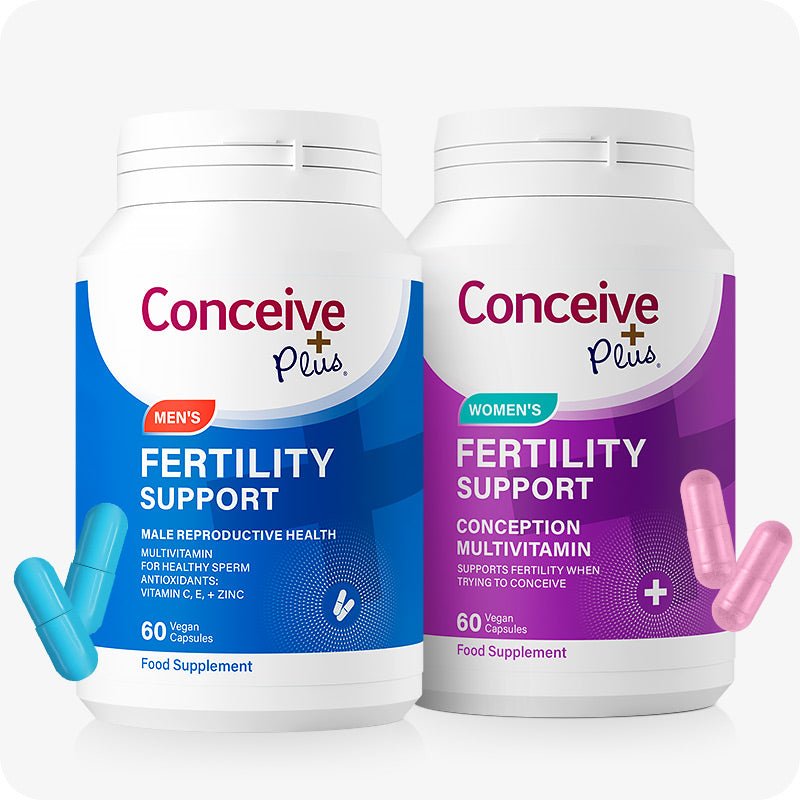
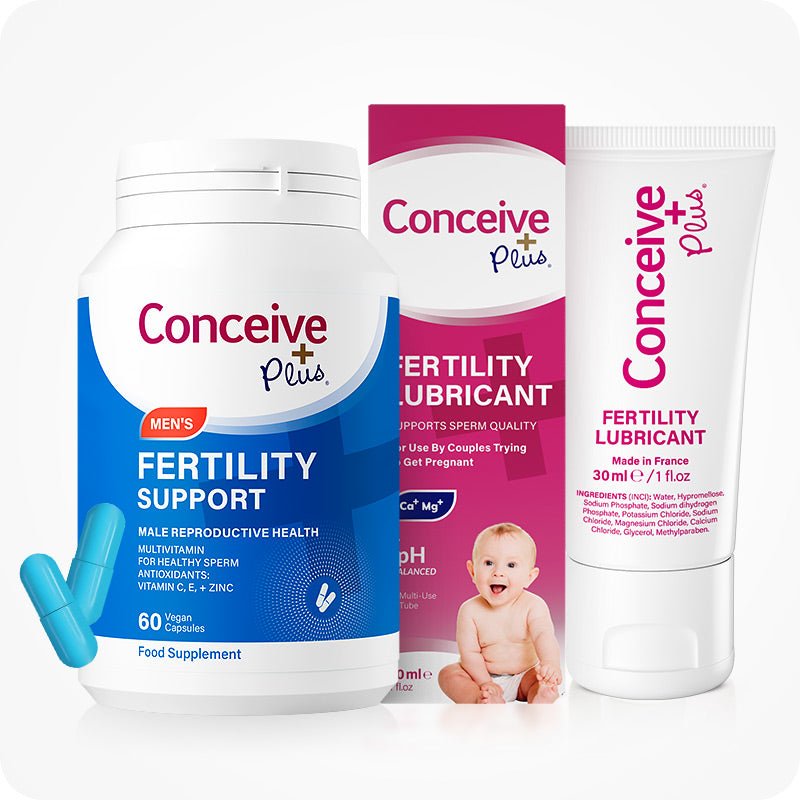
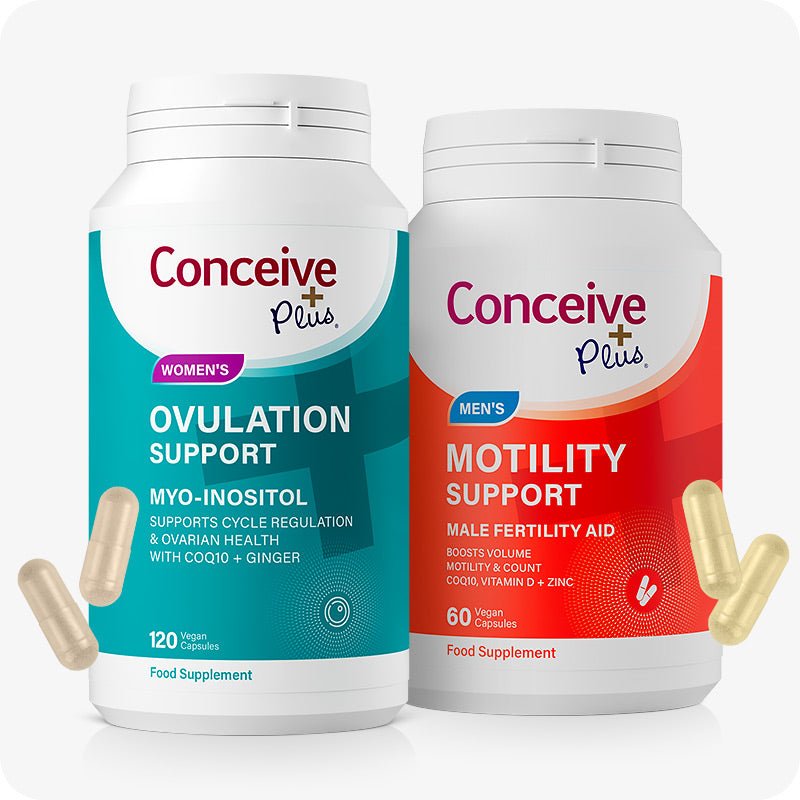
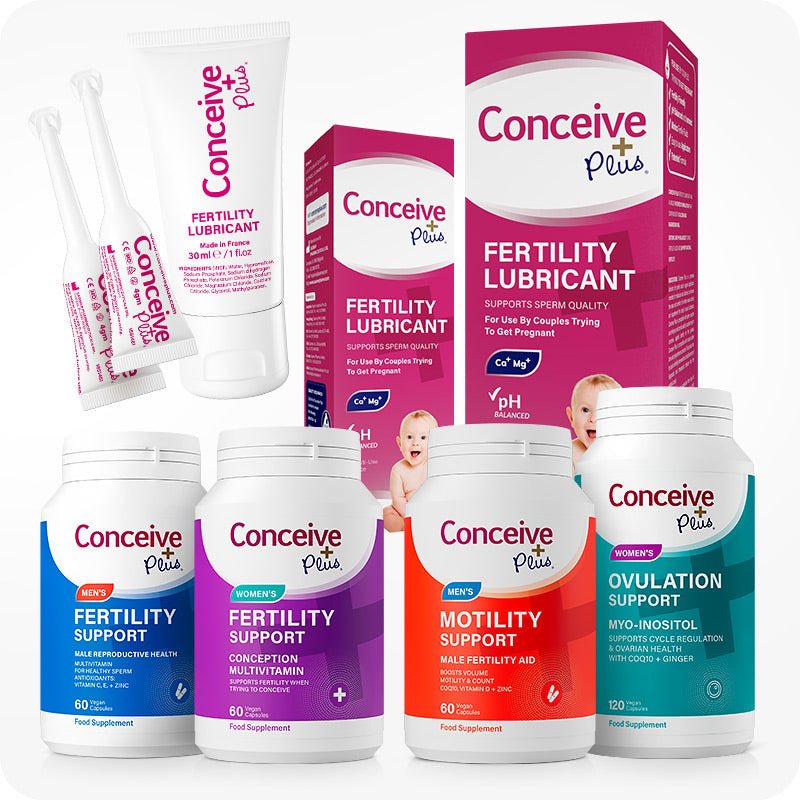
Conceive Plus Men's Fertility Support combines CoQ10, zinc, selenium, folate, and key antioxidants in clinically relevant doses — specifically formulated to support sperm quality, motility, and male reproductive health.
Explore Men's Supplements →Lifestyle Changes That Genuinely Move the Needle
Beyond nutrition, specific lifestyle modifications have strong evidence for improving sperm quality:
Stop smoking: Smoking is one of the most damaging modifiable factors for sperm health. Smokers have significantly lower sperm concentration, motility, and morphology, and higher DNA fragmentation compared to non-smokers. Secondhand smoke exposure also affects fertility. The good news: sperm parameters begin improving within 3 months of cessation.
Reduce alcohol: Regular heavy alcohol consumption (more than 14 units per week) is associated with lower testosterone and poorer semen parameters. Moderate drinking (1–3 units occasionally) has less certain impact, but abstinence is the safest approach during active conception attempts.
Avoid anabolic steroids and testosterone supplements: This is critically important and frequently overlooked. Exogenous testosterone (including testosterone replacement therapy and anabolic steroids used for muscle building) suppresses the pituitary signals required for sperm production. Men on testosterone therapy typically have very low or zero sperm counts while taking it. Recovery can take 6–24 months after cessation.
Maintain healthy weight: Obesity is associated with significantly lower testosterone, higher oestrogen conversion, and reduced sperm quality. Weight loss through exercise and diet can meaningfully restore hormone balance and improve sperm parameters within 3–6 months.
Exercise moderately: Regular moderate exercise improves testosterone, reduces inflammation, and enhances antioxidant capacity. However, intense endurance training and cycling (particularly on narrow saddles) are associated with reduced sperm quality through heat and pressure. Moderation and appropriate gear (padded cycling shorts, proper saddle height) mitigate cycling risks.
Reduce heat exposure: Avoid prolonged hot baths, saunas, and use of heated car seats or seats with laptop placed on lap. Switch from tight underwear to looser boxers — this alone has been shown in some studies to modestly improve sperm parameters.
Limit environmental toxin exposure: Certain pesticides, plasticisers (phthalates, BPA), industrial chemicals, and heavy metals act as endocrine disruptors. Practical steps: choose fresh food over packaged in plastic, avoid microwaving food in plastic containers, choose glass or stainless steel water bottles, and minimise occupational chemical exposure where possible.
When to See a Doctor: Medical Evaluation of Male Fertility
A semen analysis should be performed early in the fertility workup — ideally simultaneously with female evaluation, not as an afterthought. The test is relatively simple, inexpensive, and provides critical information.
When to seek testing:
- After 12 months of regular unprotected intercourse without conception (6 months if the female partner is over 35)
- History of testicular injury, surgery, undescended testicles, or chemotherapy/radiotherapy
- Known genital tract infections
- Evidence of varicocele
- Sexual dysfunction or ejaculation problems
- Hormonal symptoms (low libido, fatigue, breast tissue changes)
What a male fertility evaluation includes:
- Semen analysis (and repeat if initial results are abnormal)
- Hormone panel: testosterone (total and free), FSH, LH, prolactin, oestradiol, thyroid function
- Physical examination: testicular volume, varicocele assessment
- Genetic testing (Y-chromosome microdeletion, karyotype) if severely low count or azoospermia
- Sperm DNA fragmentation testing (particularly for recurrent pregnancy loss)
Frequently Asked Questions About Male Fertility
Q: How long does it take to improve sperm quality?
A: Sperm take approximately 74 days (2.5 months) to develop from stem cells to mature sperm. Changes from supplements, diet, and lifestyle improvements take a minimum of 3 months to appear in semen analysis results — and 3–6 months for full benefit.
Q: Can sperm quality decline with age?
A: Yes. While men retain the ability to produce sperm throughout life, sperm quality — particularly DNA integrity, morphology, and motility — gradually declines after age 40–45. Paternal age above 45 is independently associated with increased time to conception, miscarriage risk, and some genetic conditions in offspring.
Q: Does cannabis affect male fertility?
A: Yes. Regular cannabis use is associated with lower sperm concentration, motility, and morphology. Cannabinoids bind to receptors in the male reproductive system, and high-frequency use has measurable effects on semen parameters. Effects are reversible with cessation.
Q: Is azoospermia (zero sperm) treatable?
A: Obstructive azoospermia (where sperm are produced but not present in ejaculate due to blockage) can often be treated with surgical sperm extraction (TESA/PESA/microTESE) for use in IVF/ICSI. Non-obstructive azoospermia is more complex and outcomes depend on the underlying cause.
Q: How accurate is a home sperm test?
A: Home sperm tests (like ExSeed, YO) can give a general indication of concentration and motility, but they are not as comprehensive or reliable as laboratory semen analysis. A clinical semen analysis remains the gold standard and should be performed if you have concerns.
Q: Does tight underwear really affect sperm count?
A: There's modest evidence. A Harvard study found men who wore boxer shorts had slightly higher sperm concentration and total count than those who wore tight underwear. The mechanism is scrotal temperature — looser underwear allows better heat dissipation. It's a simple, zero-risk change worth making.
Q: Can varicocele be treated non-surgically?
A: Most varicoceles require surgery (varicocelectomy) or minimally invasive interventional radiology (varicocele embolisation) for effective treatment. Lifestyle optimisation and antioxidant supplementation can help mitigate the oxidative damage caused by varicocele but don't address the underlying vascular abnormality.
Q: Is it normal to have high numbers of abnormally shaped sperm?
A: Yes — it's entirely normal for 96% or more of sperm to have some morphological abnormality by strict Kruger criteria. The WHO reference of ≥4% normal is the lower threshold, not a "target." Morphology is most relevant in context with other parameters and the couple's broader clinical picture.
Take Action on Male Fertility
Sperm quality is highly responsive to targeted intervention. Conceive Plus Men's Fertility supplements provide the antioxidant, mineral, and vitamin support that clinical research most strongly links to improved sperm health. Available across Europe.
Shop Conceive Plus Europe →