Two Week Wait Symptoms: What's Normal, What Might Mean Pregnancy, and How to Cope


Two Week Wait Symptoms: What's Normal, What Might Mean Pregnancy, and How to Cope
If you've been trying to conceive, you know the particular agony of the two week wait symptoms obsession. That stretch of time between ovulation and when you can reliably test for pregnancy is one of the most emotionally charged experiences in the fertility journey — a window where every twinge, cramp, and unusual sensation becomes potential evidence of the pregnancy you're hoping for.
This comprehensive guide to two week wait symptoms will help you understand what's actually happening in your body during the TWW, which symptoms might be meaningful, which are likely caused by progesterone (not pregnancy), and evidence-based strategies for navigating this difficult waiting period — including how Conceive Plus products support your fertility through every phase of your cycle.
What Is the Two Week Wait? A Quick Primer
The "two week wait" (commonly abbreviated TWW in fertility communities) refers to the luteal phase — the approximately 12–16 day window between ovulation and the expected start of your next period (or a positive pregnancy test). It's called the "two week wait" because this is when a fertilised egg, if conception has occurred, is making its way down the fallopian tube, implanting in the uterine lining, and beginning to produce hCG — the hormone that pregnancy tests detect.
During this time, you're essentially in a holding pattern. The egg has either been fertilised or it hasn't. Implantation either will occur or it won't. And yet you must wait — usually 10–14 days — for enough hCG to accumulate for a reliable positive test result.
No wonder two week wait symptoms become all-consuming.
The Biology of the Two Week Wait: Why You Feel What You Feel
Understanding the hormonal environment of the luteal phase is essential to making sense of two week wait symptoms — and to understanding why so many TWW symptoms can be caused by progesterone rather than pregnancy.
After ovulation, the follicle that released your egg transforms into the corpus luteum — a temporary gland that produces progesterone and some estrogen. Progesterone's job is to prepare the uterine lining for implantation and, if pregnancy occurs, to maintain it. Progesterone levels rise significantly in the days after ovulation regardless of whether conception has occurred.
Here's the crucial point: progesterone causes many of the same symptoms as early pregnancy. Breast tenderness, bloating, fatigue, mood changes, and even mild nausea can all be caused by progesterone — in both pregnant and non-pregnant luteal phases. This is why two week wait symptoms are so maddening: the very hormone that signals "your body is ready for pregnancy" produces symptoms that feel like pregnancy itself.
Common Two Week Wait Symptoms Explained
Here's a breakdown of the most commonly reported two week wait symptoms and what they might (and might not) mean:
Implantation Bleeding
Perhaps the most searched two week wait symptom. Implantation bleeding occurs when the fertilised egg burrows into the uterine lining, sometimes causing light spotting. This typically occurs 6–12 days after ovulation — so around days 6–12 of the TWW. Implantation bleeding is usually:
- Very light — spotting or a few drops, not flow
- Pink or light brown in colour (not red like menstrual blood)
- Short-lived — hours to 1–2 days maximum
- Not accompanied by cramping as severe as menstrual cramps
Important caveat: studies suggest implantation bleeding occurs in only about 25% of pregnancies. Its absence does not indicate conception hasn't occurred, and its presence doesn't guarantee it has — early period spotting or other causes can mimic it.
Implantation Cramping
Mild cramping around the time of expected implantation (6–12 DPO) is one of the most reported early pregnancy signs in TTC communities. These cramps are typically described as lighter than menstrual cramps — more of a dull ache or mild twinge on one side of the lower abdomen. However, it's nearly impossible to distinguish implantation cramps from normal luteal phase cramping, ovarian cramps, or digestive cramping.
Breast Tenderness and Changes
Breast tenderness during the TWW is one of the most universal two week wait symptoms — and also one of the most difficult to interpret, because it's caused by progesterone in both pregnant and non-pregnant luteal phases. In early pregnancy, breast tenderness may feel slightly different — heavier, more pronounced, involving the areola as well — but this distinction is unreliable for confirming pregnancy.
Fatigue
Feeling unusually tired during the TWW is extremely common. Progesterone has a sedating effect and raises basal body temperature, both of which contribute to fatigue. In pregnancy, early fatigue is amplified by rising hCG and the body's metabolic demands. But fatigue in the TWW is not a reliable indicator of pregnancy — it's a reliable indicator of the luteal phase.
Bloating and Digestive Changes
Progesterone relaxes smooth muscle throughout the body — including in the digestive tract. This slows digestion, causes bloating, and sometimes constipation during the TWW. These symptoms are progesterone-driven and do not reliably indicate pregnancy, though they may be more pronounced in early pregnancy.
Nausea
While classic "morning sickness" typically begins 6–8 weeks into pregnancy (after the TWW), some women report mild nausea in the late TWW. This could be related to rising hCG if implantation has occurred, or could be progesterone-related digestive effects. Late TWW nausea (12–14 DPO) is more likely to be pregnancy-related than nausea in the first week after ovulation.
Mood Changes and Emotional Sensitivity
Heightened emotional sensitivity, irritability, anxiety, and mood fluctuations during the two week wait are extremely common — and are caused by both progesterone and the psychological stress of waiting. In pregnancy, these effects may be amplified by hCG and changing estrogen levels, but they are not meaningfully distinguishable from non-pregnant luteal phase symptoms.
Support Every Phase of Your Fertility Journey
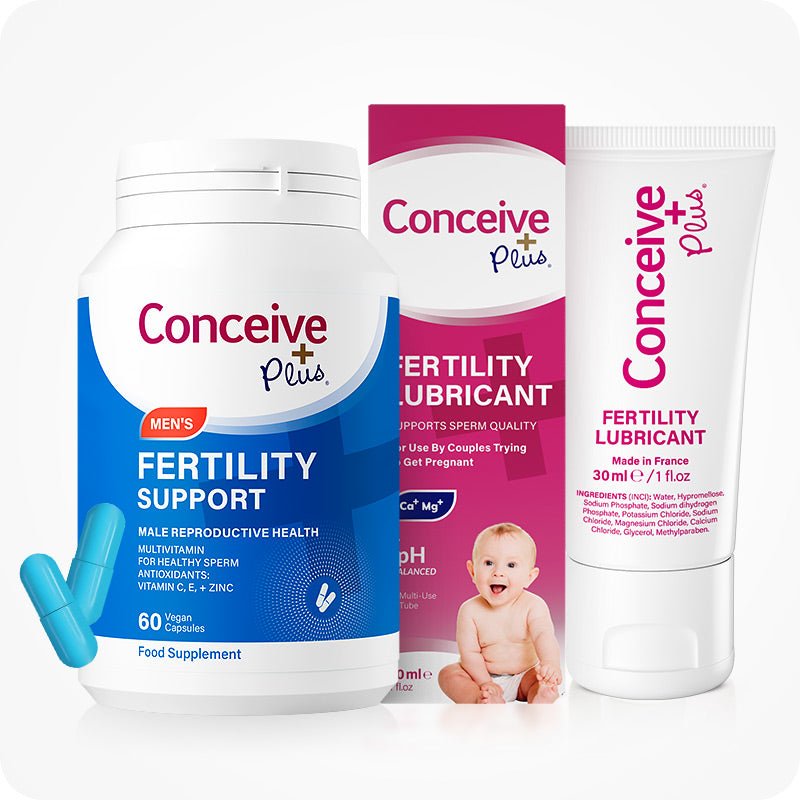
Whether you're in the TWW or preparing for next cycle, Conceive Plus has the supplements and products to support your journey every step of the way.
Shop Conceive Plus →TWW Symptoms: What's Actually Different in Pregnancy?
This is the question everyone in the two week wait wants answered. The honest truth from reproductive medicine research: before a reliable positive pregnancy test (typically 10–14 DPO), there are no symptoms that reliably distinguish early pregnancy from a non-pregnant luteal phase.
That said, some patterns are reported more frequently by women who turn out to be pregnant:
- Implantation bleeding at 6–12 DPO (occurs in ~25% of pregnancies)
- A temperature rise sustained beyond 16+ days (if you're charting basal body temperature — a sustained high temperature after day 16 past ovulation is a strong indicator)
- Absence of PMS symptoms that the woman normally experiences at this phase of her cycle
- Heightened sense of smell — this is associated with rising hCG and is reported by many pregnant women
- Metallic taste in the mouth is another hCG-related symptom reported in early pregnancy
- Mild nausea specifically in the late TWW (12–14 DPO), not earlier
The frustrating reality: the TWW symptom that most reliably indicates pregnancy is a positive pregnancy test. Everything else is noise.
TTC Two Week Wait: Early Signs by Day Past Ovulation (DPO)
Here's a timeline of what may be happening biologically, day by day during the TWW:
- 1–3 DPO: Fertilisation may have occurred. The fertilised egg (now a zygote) is dividing as it travels down the fallopian tube. No symptoms are attributable to pregnancy at this stage.
- 4–6 DPO: The blastocyst reaches the uterus. Progesterone continues to rise. Fatigue, breast tenderness, and bloating are progesterone-driven and not pregnancy-specific.
- 6–10 DPO: Implantation window. Implantation typically occurs between 6–10 DPO, with the majority occurring around day 8–9. Implantation bleeding or spotting may occur. Mild cramping possible.
- 8–10 DPO: If implantation has occurred, the developing embryo begins producing hCG. Levels are initially very low — too low to affect symptoms or be detected by most tests.
- 10–12 DPO: hCG is rising rapidly in a viable pregnancy (roughly doubling every 48 hours). Some sensitive home pregnancy tests may detect pregnancy at this stage. Nausea, heightened smell, and other hCG-driven symptoms may begin.
- 14+ DPO: hCG should be reliably detectable by home pregnancy tests. If your period hasn't arrived, test now for the most accurate result.
How to Cope During the Two Week Wait: Evidence-Based Strategies
Two week wait symptoms are only one part of the TWW challenge. The psychological aspect — the anxiety, hope, fear, and obsessive symptom-checking — is equally real and deserves practical support.
Limit or Eliminate Early Testing
Testing before 10 DPO almost always produces misleading results — either a false negative (hCG is too low even in a real pregnancy) or occasionally a false positive (chemical pregnancy or evaporation line). Set a testing date — ideally 12–14 DPO — and commit to it. Each early negative increases anxiety disproportionately to the information it provides.
Stay Off Symptom-Tracking Rabbit Holes
Fertility forums and apps where people share their two week wait symptoms create a confirmation bias loop. Every woman who experienced a particular symptom and got pregnant reports it; the thousands who had the same symptom and weren't pregnant don't get the same airtime. This creates a false impression that certain symptoms are predictive of pregnancy when they are not.
Gentle Physical Activity
Light to moderate exercise during the TWW is safe and beneficial for mental health. Walking, yoga, and swimming are excellent choices. High-intensity exercise isn't recommended during the implantation window, particularly if you're undergoing fertility treatment. Movement reduces cortisol and anxiety — both helpful during an inherently stressful waiting period.
Practice Self-Compassion
However your TWW ends, treat yourself with the same kindness you'd extend to a close friend in the same situation. If your period arrives, allow yourself to feel the disappointment — bypassing it through positivity bypassing doesn't help. If your test is positive, allow the joy — but also the cautious realism many women feel after losses or extended TTC journeys.
Conceive Plus: Supporting Your Entire Fertility Journey
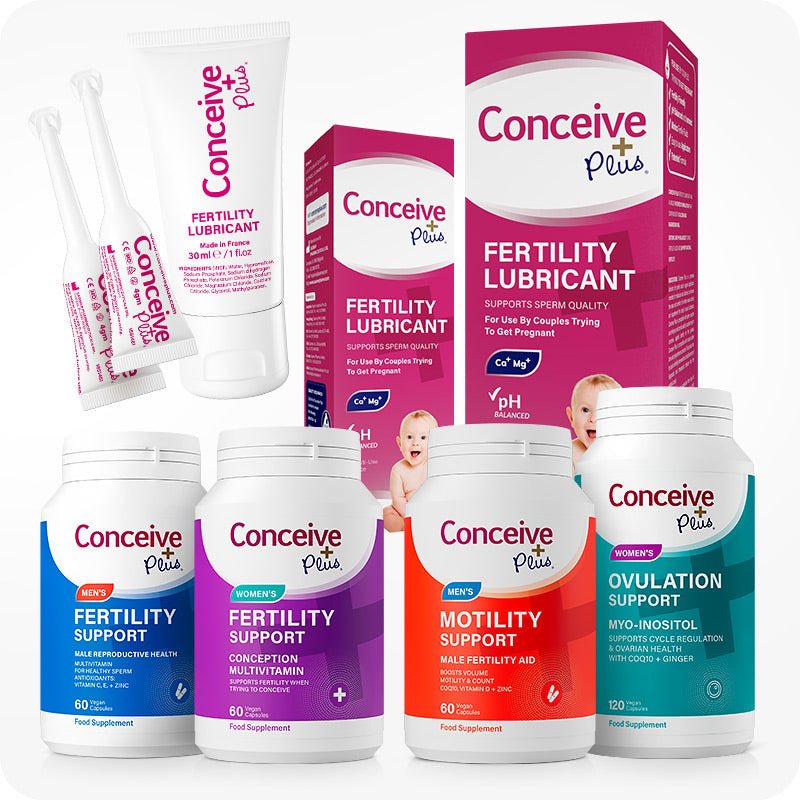
While the two week wait itself is largely a waiting game, the choices you make across your entire cycle — follicular phase through luteal phase — affect your fertility outcomes. Conceive Plus supports every phase of this journey.
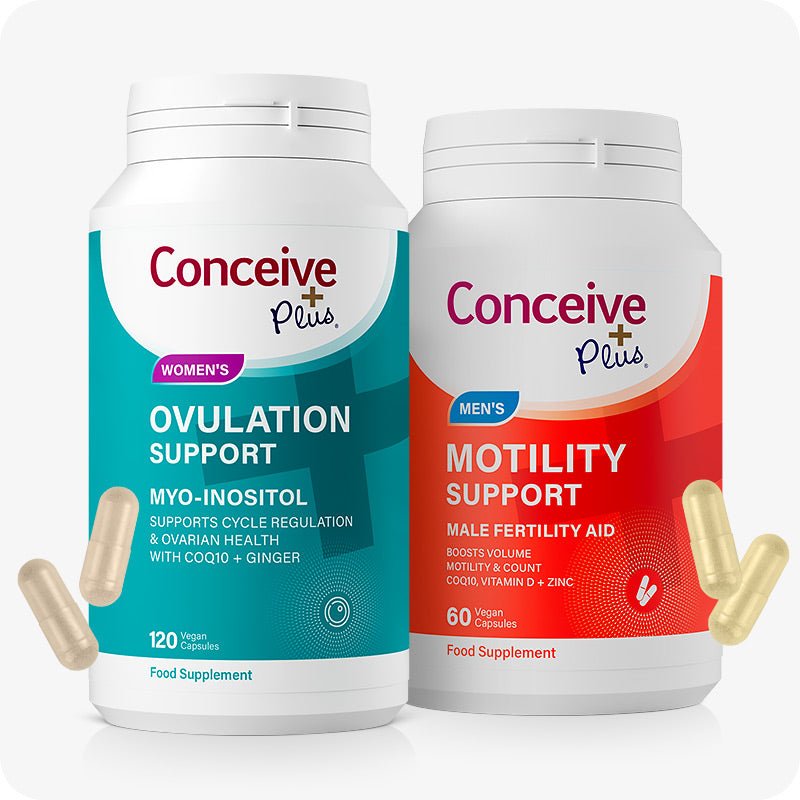
During the follicular phase (before ovulation), Conceive Plus Women's Fertility Support provides the key nutrients — folate, antioxidants, CoQ10, and essential micronutrients — that support egg quality during those critical maturation weeks. During the TWW itself, continued nutritional support ensures your body has the raw materials it needs for implantation and early embryo development.
Whether you're in your first cycle of trying or navigating a longer TTC journey, Conceive Plus has formulated its supplements to meet the nutritional needs of women at every phase of their reproductive journey — from optimising ovulation to supporting the luteal phase through the TWW.
The Conceive Plus approach recognises that fertility is not a single moment but an ongoing biological process — and that consistent, evidence-based nutritional support throughout the cycle creates the best possible environment for conception and a healthy pregnancy to begin.
Support Every Phase of Your Fertility Journey
Whether you're in the TWW or preparing for next cycle, Conceive Plus has the supplements and products to support your journey every step of the way.
Shop Conceive Plus →Frequently Asked Questions: Two Week Wait Symptoms
What are the most common two week wait symptoms?
The most commonly reported two week wait symptoms include breast tenderness, fatigue, bloating, mild cramping, heightened emotional sensitivity, and light spotting (possibly implantation bleeding). However, most of these symptoms are caused by progesterone — which rises in the luteal phase regardless of pregnancy — making them unreliable indicators of whether conception has occurred.
When do two week wait symptoms start?
TWW symptoms caused by progesterone begin shortly after ovulation — within the first few days of the luteal phase. Symptoms that could specifically be related to pregnancy (implantation bleeding, very early nausea) wouldn't begin until implantation, which typically occurs 6–10 DPO. Reliable pregnancy-specific symptoms tied to rising hCG typically begin 10–14 DPO and beyond.
Is it normal to have no two week wait symptoms?
Absolutely. Many women have very few TWW symptoms even in cycles where they conceive. Absence of symptoms does not mean you're not pregnant — it may simply mean your progesterone produces minimal noticeable effects, or that you're early in the TWW. Do not interpret a symptom-free TWW as a negative sign.
When is it safe to test during the two week wait?
Most home pregnancy tests can detect hCG reliably from 10–14 DPO onward. Testing before 10 DPO risks false negatives (hCG too low to detect even in a real pregnancy) and causes unnecessary anxiety. Ideally, test at 12–14 DPO or when your period is due. If you can't wait, use a highly sensitive test (10–15 mIU sensitivity) from 10 DPO, and confirm any result — positive or negative — at 14 DPO.
What does implantation bleeding look like?
Implantation bleeding is typically very light — just a few spots or a light smear — and pink or brownish in colour (not red). It occurs 6–12 DPO and lasts only hours to 1–2 days at most. It's often noticed on toilet paper rather than requiring a pad. Not all women experience it (it occurs in approximately 25% of pregnancies) and not all spotting during the TWW is implantation bleeding.
Can Conceive Plus supplements be taken during the two week wait?
Yes. Conceive Plus Women's Fertility Support is formulated for the entire trying-to-conceive period, including the TWW. Continuing your supplementation throughout the TWW ensures your body has the nutritional support it needs for implantation and early embryo development. The key nutrients in Conceive Plus — particularly folate — are important from conception onward.
Are TWW symptoms stronger if you're pregnant?
Some women report that their TWW symptoms feel "different" or more intense in pregnancy cycles compared to non-pregnant cycles. However, research doesn't support the idea that symptom intensity reliably distinguishes pregnant from non-pregnant TWWs. Many women have intense symptoms in non-pregnant cycles and minimal symptoms when they are pregnant. The only reliable indicator is a positive pregnancy test.
What should I eat during the two week wait?
Continue your fertility-supporting diet during the TWW: plenty of vegetables and fruit (folate, antioxidants), healthy proteins, omega-3-rich foods, and limited alcohol and caffeine. If implantation has occurred, early embryo development is already beginning — a nutrient-rich diet and comprehensive supplement like Conceive Plus ensures the building blocks are available. Avoid alcohol completely during the TWW.
How do I manage anxiety during the two week wait?
Evidence-based strategies for TWW anxiety include: limiting symptom-checking on forums and apps; setting a firm testing date and sticking to it; maintaining gentle exercise; practising mindfulness or meditation; staying connected with supportive friends or online TTC communities; and engaging in enjoyable activities that provide genuine distraction. If anxiety during fertility treatment is significantly affecting your quality of life, consider speaking with a psychologist specialising in fertility.
What if my two week wait ends in a negative test?
Allow yourself to feel disappointed — it's a real and valid emotion. Then, when ready, use the next cycle as an opportunity to reassess and optimise. If you've had multiple unsuccessful cycles, discuss with your healthcare provider whether further investigation is warranted. Continue nutritional support with Conceive Plus throughout — consistent supplementation across multiple cycles ensures your egg quality and reproductive health are as optimal as possible for when conception does occur.