Ovulation Tracking: The Complete Guide to Identifying Your Fertile Window


2026-07-21 — By the Conceive Plus Team
What Is Ovulation and Why Does It Matter?
Ovulation is the release of a mature egg from one of the ovaries, typically occurring once per menstrual cycle. This single event — which lasts only 12–24 hours — is the window in which conception is possible. Understanding when you ovulate is one of the most powerful tools in your fertility arsenal.
Each month, a cohort of small follicles develops in the ovaries, and typically one dominant follicle emerges to release a mature egg. If fertilisation does not occur within 24 hours, the egg dissolves and is shed during menstruation approximately two weeks later.
How to Track Ovulation: Methods Compared
Master Your Ovulation Tracking
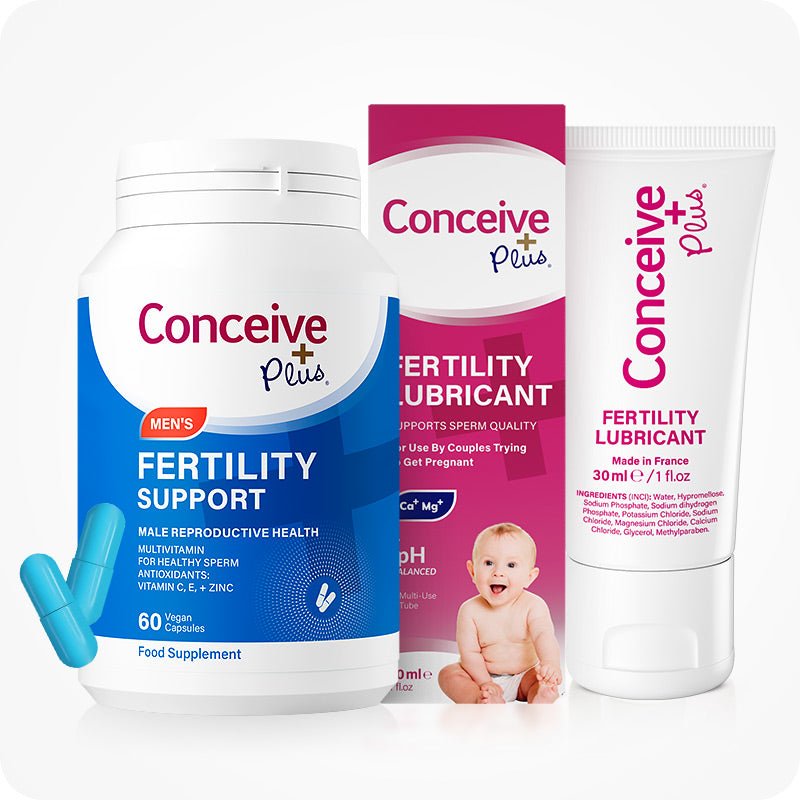
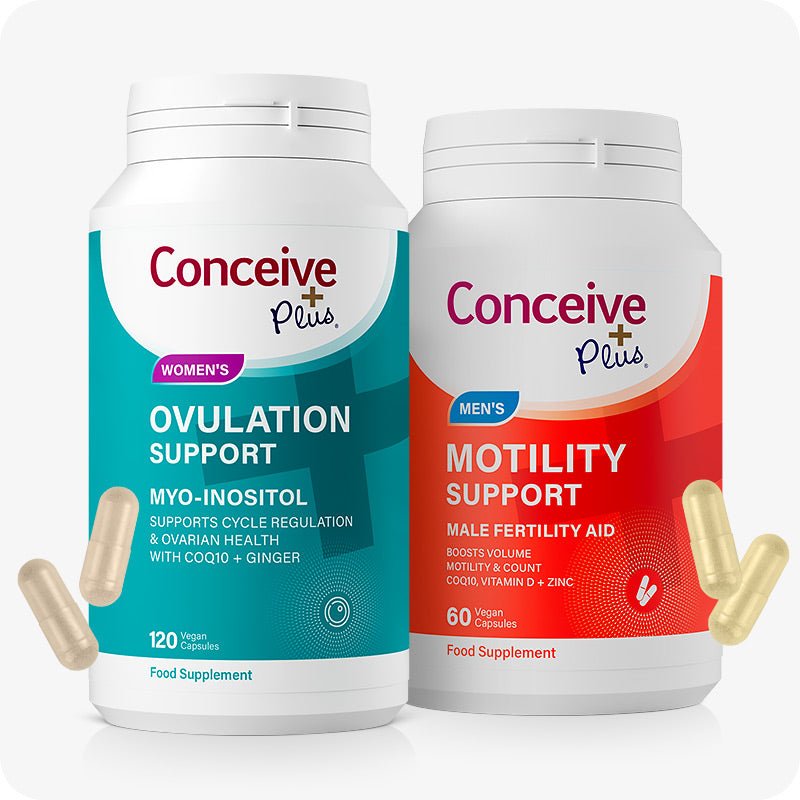
Pair your tracking with Conceive Plus — the fertility-friendly lubricant trusted across Europe. Shop Conceive Plus EU.
Ovulation Predictor Kits (OPKs): These urine-based tests detect the surge in luteinising hormone (LH) that occurs 24–36 hours before ovulation. OPKs are highly accurate but can give false positives in women with PCOS.
Basal Body Temperature (BBT) Charting: Your BBT rises by 0.2–0.5°C after ovulation. BBT confirms ovulation after the fact but cannot predict it in advance.
Cervical Mucus Monitoring: As oestrogen rises, cervical mucus changes from thick and sticky to clear, slippery, and stretchy resembling raw egg whites. This is a free, real-time indicator of your fertile window.
Fertility Tracking Apps: Apps use algorithms based on cycle history. They work best when combined with OPKs or BBT charting.
The Science of the Fertile Window
The fertile window is the six-day period ending on the day of ovulation. Sperm can survive for up to five days in the reproductive tract, while the egg remains viable for only 12–24 hours. Research published in the New England Journal of Medicine found that the probability of conception increases from approximately 10% five days before ovulation to over 30% on the day before or day of ovulation.
Common Ovulation Problems and When to Seek Help
Anovulation and irregular ovulation account for approximately 25–30% of female infertility cases. Signs include irregular or absent periods, very short cycles (under 21 days), or very long cycles (over 35 days). Common causes include PCOS (affecting 5–10% of women), hypothalamic amenorrhea, premature ovarian insufficiency, thyroid disorders, and hyperprolactinaemia.
Optimising Your Chances: Lifestyle Factors
Achieving a healthy BMI (19–25) is one of the most effective ways to restore regular ovulation. Even 5–10% weight loss in overweight women with PCOS can restore ovulation. Stress management, 7–9 hours of quality sleep, moderate exercise, and a Mediterranean-style diet rich in fruits, vegetables, and healthy fats all support ovulatory function.
Track, Time, and Conceive with Confidence
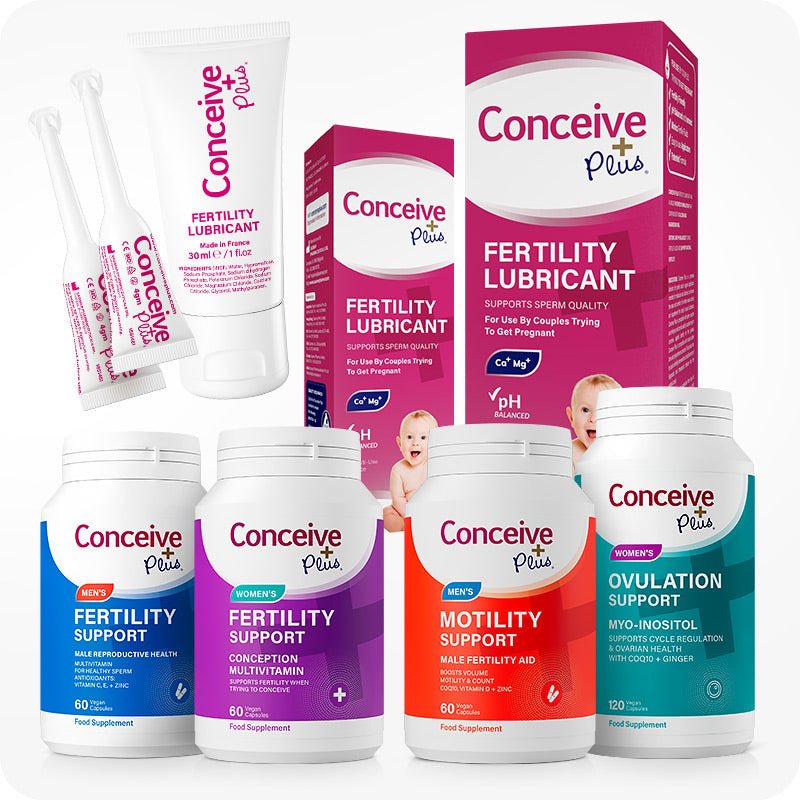
From ovulation tracking to fertility-friendly lubricants, Conceive Plus EU supports your journey. Visit Conceive Plus EU.
Frequently Asked Questions About Ovulation Tracking
- How do I know if I am ovulating? Signs include egg-white cervical mucus, BBT rise, mittelschmerz, and increased libido.
- Can I ovulate without a period? Yes, though regular periods are a good indicator of regular ovulation.
- Best tracking method? Combining OPKs with cervical mucus monitoring and BBT.
- How long does ovulation last? The egg survives 12–24 hours; the fertile window spans about 6 days.
- Can stress delay ovulation? Yes, significant stress can delay or suppress ovulation.
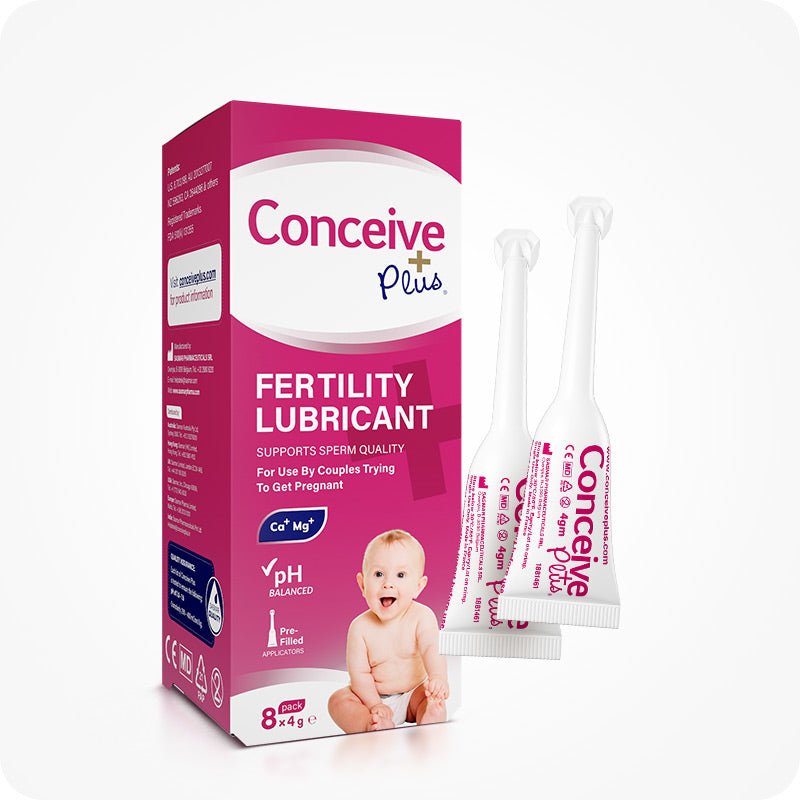
- Do fertility lubricants help with ovulation timing? Fertility-friendly lubricants like Conceive Plus support sperm survival during the fertile window without harming sperm.
- Can I ovulate twice in one cycle? Rare, but possible to release two eggs within 24 hours.
- Does age affect ovulation? Yes, egg quality declines with age, though ovulation itself often continues until menopause.
- How accurate are ovulation apps? Moderately accurate for women with regular cycles; less accurate for irregular cycles.
- When should I see a doctor about ovulation? If cycles are consistently irregular, absent, or if you have been trying for 6–12 months without success.