PCOS and Fertility: How to Improve Your Chances of Conceiving


PCOS and Fertility: How to Improve Your Chances of Conceiving
Polycystic ovary syndrome (PCOS) is the most common cause of female infertility, affecting an estimated 1 in 10 women of reproductive age across Europe and worldwide. Yet despite being so prevalent, PCOS is often misunderstood, underdiagnosed, and undertreated — particularly when it comes to its impact on fertility. The good news is that with the right approach, most women with PCOS can and do conceive. This comprehensive guide covers everything you need to know about PCOS and fertility, from understanding the condition to practical strategies for improving your chances of conception.
What Is PCOS? Understanding the Condition Behind Your Fertility Challenges
PCOS is a hormonal disorder characterised by three main features (the "Rotterdam criteria"), of which you need at least two for diagnosis:
- Irregular or absent periods: Cycles that are longer than 35 days, very short, or entirely absent
- Signs of elevated androgens: Either clinical signs (acne, excess hair growth on the face/body, male-pattern hair thinning) or biochemical (elevated testosterone or androstenedione on blood tests)
- Polycystic ovaries on ultrasound: Ovaries containing 12 or more follicles (small fluid-filled sacs), or ovaries with a volume greater than 10 mL
It's important to note that "polycystic" doesn't mean you have cysts — these are actually immature follicles that haven't progressed to ovulation. PCOS is fundamentally a disorder of ovulation, which is exactly why it's the leading cause of female infertility.
What Causes PCOS?
The exact cause of PCOS isn't fully understood, but it involves a complex interplay of factors:
- Insulin resistance: Found in 70-80% of women with PCOS, even in those who are not overweight. Elevated insulin stimulates the ovaries to produce excess androgens (male hormones), disrupting normal follicle development and ovulation.
- Elevated LH (luteinising hormone): Many women with PCOS have elevated LH relative to FSH, disrupting the hormonal signals that coordinate ovulation.
- Genetic predisposition: PCOS has a strong hereditary component — if your mother or sister has PCOS, your risk is significantly elevated.
- Inflammation: Low-grade chronic inflammation is common in PCOS and may contribute to both insulin resistance and androgen excess.
How PCOS Affects Fertility
The primary way PCOS impacts fertility is by disrupting ovulation. In women with PCOS, follicles begin to develop each cycle but often fail to reach maturity and release an egg. This results in:
- Infrequent ovulation (oligoovulation): Women with PCOS may ovulate only a few times per year rather than monthly
- Absent ovulation (anovulation): In more severe cases, ovulation may not occur at all for extended periods
- Unpredictable cycle lengths: Without regular ovulation, cycles become irregular and difficult to track
- Reduced egg quality: Chronic hormonal imbalance may affect the quality of eggs produced
- Endometrial issues: Irregular cycles can lead to endometrial hyperplasia (thickening of the uterine lining) that may interfere with implantation
Additionally, conditions that frequently co-occur with PCOS — including obesity, thyroid dysfunction, and elevated prolactin — can further compound fertility challenges.
Ready to support your fertility journey? Conceive Plus offers clinically-backed supplements trusted by couples worldwide. Shop Conceive Plus →
Diagnosing PCOS: What Tests Are Involved?
Diagnosis typically involves a combination of:
- Medical history and symptom review: Menstrual pattern, signs of androgen excess, weight history
- Blood tests: LH, FSH, total and free testosterone, DHEAS, prolactin, TSH (thyroid), fasting glucose and insulin (for insulin resistance assessment), and often AMH (anti-Müllerian hormone, which tends to be elevated in PCOS)
- Pelvic ultrasound: To assess ovarian appearance and endometrial thickness
If you suspect you have PCOS and haven't been diagnosed, see your GP or gynaecologist. Early diagnosis gives you more time and options for managing the condition and optimising fertility.
Lifestyle Changes: The Foundation of PCOS Fertility Management
For many women with PCOS, lifestyle interventions are the first and most impactful treatment. Even modest improvements in key areas can trigger significant hormonal changes that restore ovulation.
Weight Management and PCOS
In women with PCOS who are overweight, weight loss of as little as 5-10% of body weight has been shown to restore ovulatory cycles in 55-100% of women who were previously anovulatory. The mechanism is primarily through improved insulin sensitivity — reducing insulin levels lowers androgen production and allows normal follicular development to resume.
However, it's important to note that PCOS affects women of all body types, including lean women. If you're already at a healthy weight, weight loss is not the solution — the focus shifts to other hormonal and metabolic interventions.
The PCOS-Friendly Diet
Diet has a profound effect on insulin sensitivity and hormonal balance in PCOS. Evidence-based dietary recommendations include:
- Low glycaemic index (GI) foods: Choose wholegrain bread, oats, legumes, and vegetables over refined carbohydrates that spike blood sugar
- Anti-inflammatory foods: Berries, fatty fish, olive oil, leafy greens, and turmeric reduce the chronic inflammation associated with PCOS
- Adequate protein: Protein at each meal helps stabilise blood sugar and supports healthy hormone production
- Healthy fats: Avocado, nuts, and olive oil support hormonal function and reduce inflammation
- Reduce sugar and processed foods: These drive insulin spikes and worsen the hormonal imbalance of PCOS
- Limit dairy: Some research suggests high dairy intake can worsen acne and hormonal symptoms in PCOS — experiment with reduction
Exercise for PCOS
Exercise improves insulin sensitivity, reduces androgen levels, and supports healthy weight management. The best exercise approach for PCOS combines:
- Cardio: 150+ minutes per week of moderate-intensity cardio (walking, swimming, cycling)
- Resistance training: 2-3 sessions per week to build muscle mass, which improves insulin sensitivity
- HIIT (high-intensity interval training): Research shows HIIT is particularly effective for improving insulin sensitivity in PCOS
Avoid over-exercising — extreme exercise can disrupt the hormonal axis and worsen cycle irregularity.
Supplements for PCOS Fertility: What the Evidence Shows
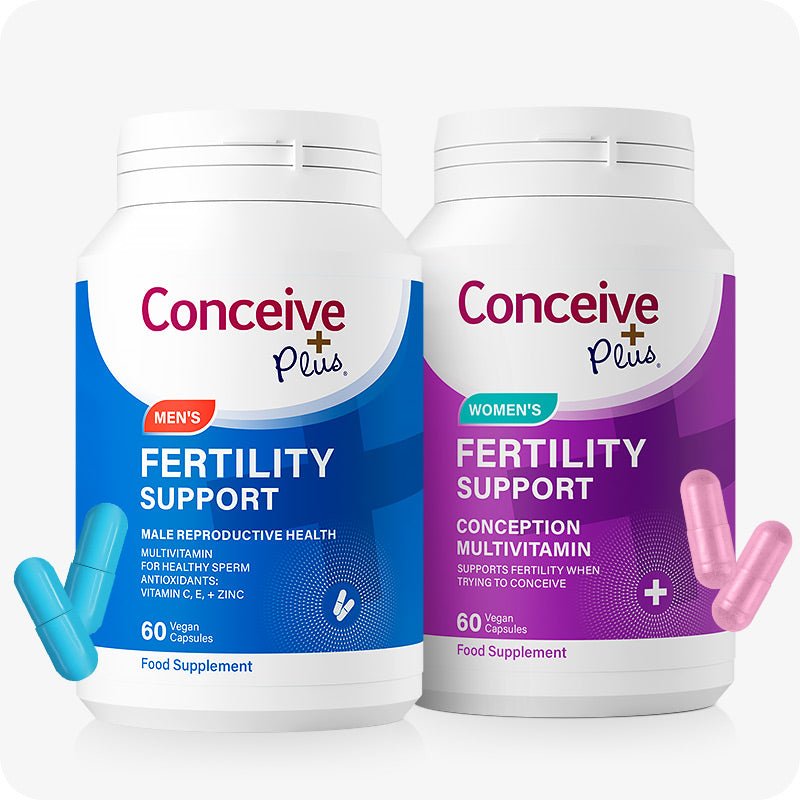
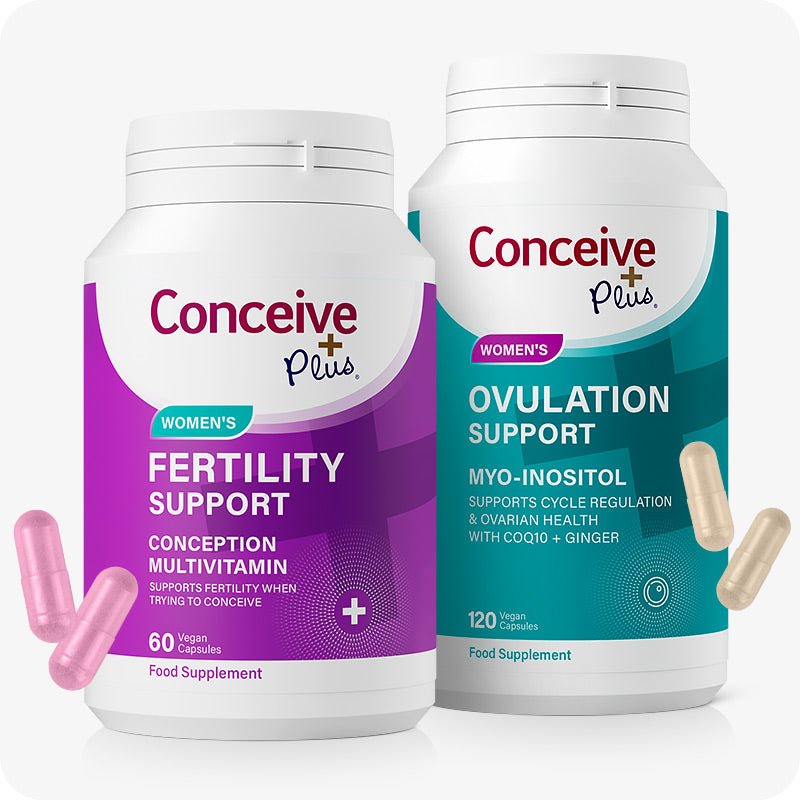
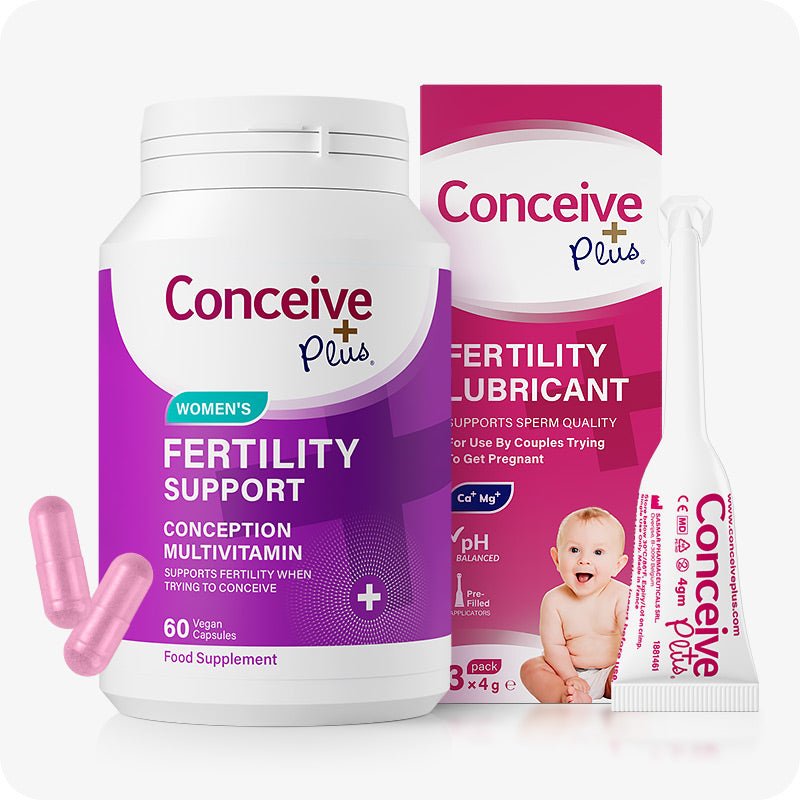
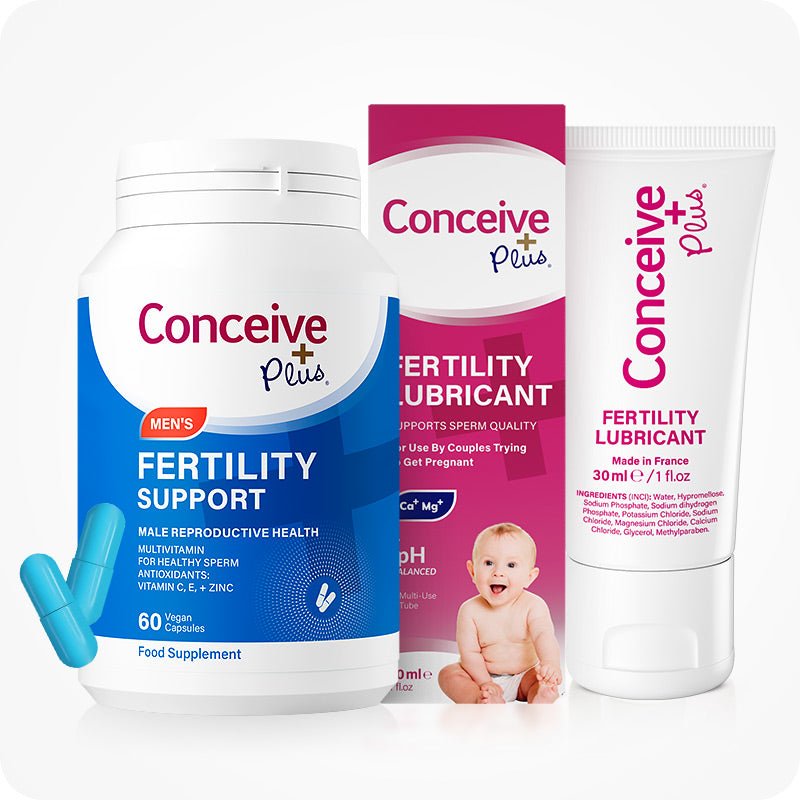
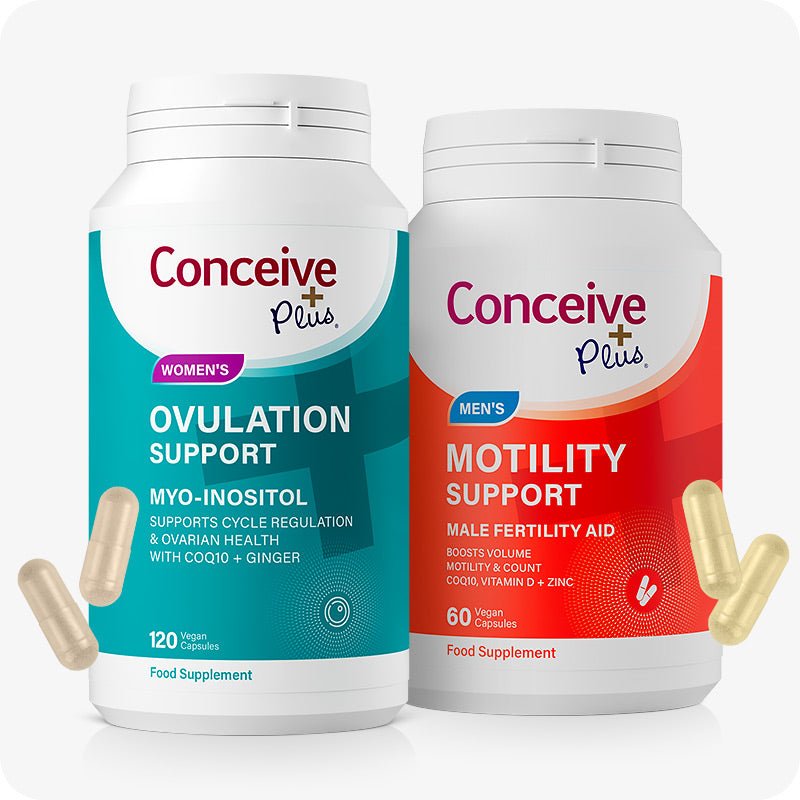
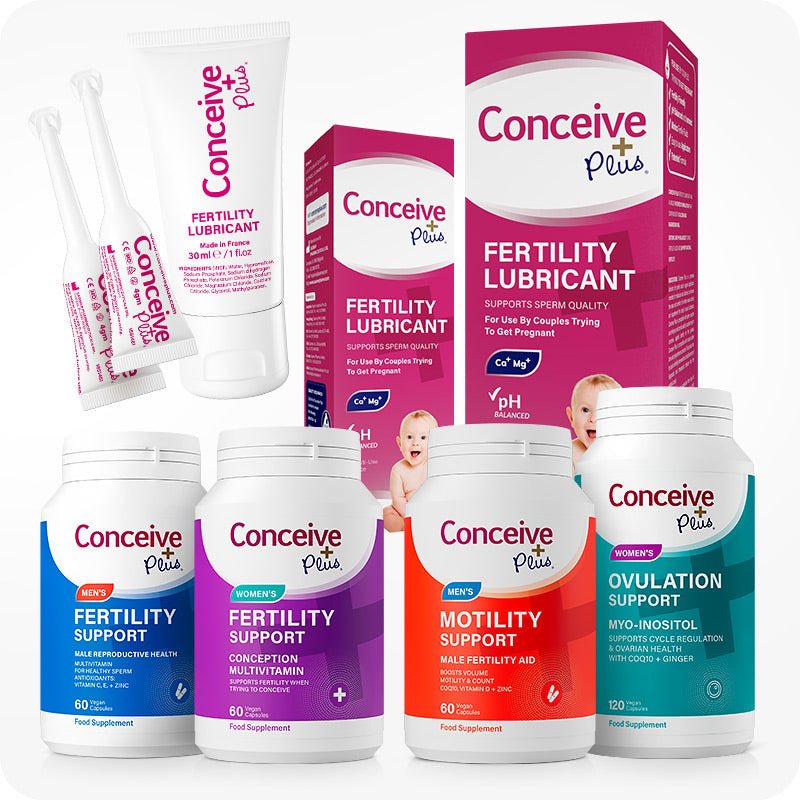
Several supplements have strong evidence for improving PCOS symptoms and fertility outcomes. Conceive Plus fertility supplements for women are formulated with many of these evidence-based nutrients:
Inositol (Myo-inositol and D-chiro-inositol)
Inositol is arguably the most well-studied supplement for PCOS fertility. It's a vitamin-like compound that acts as an insulin sensitiser. Research shows that myo-inositol (typically combined with D-chiro-inositol in a 40:1 ratio) can:
- Improve insulin sensitivity significantly
- Reduce testosterone levels
- Restore regular ovulation in 65-70% of women with PCOS
- Improve egg quality
- Reduce the dose of FSH needed for ovarian stimulation
Typical dosing: 4g myo-inositol daily, often combined with 100mg D-chiro-inositol.
Folate (or Methylfolate)
Folate is essential for cell division and is critical before and during early pregnancy to prevent neural tube defects. Women with PCOS (and especially those with the MTHFR genetic variant, which is common) should take at least 400-800mcg of folate daily when trying to conceive. Methylfolate (5-MTHF) is the bioactive form and may be preferable for those with MTHFR variants.
Vitamin D
Vitamin D deficiency is significantly more prevalent in women with PCOS than in those without, and multiple studies show that correcting deficiency improves insulin sensitivity, reduces testosterone levels, and can restore ovulation. Aim for blood levels of 40-60 ng/mL; supplementation of 2,000-4,000 IU daily is typically needed to reach this level. Conceive Plus includes vitamin D3 in its fertility supplement formulations.
Magnesium
Many women with PCOS are magnesium deficient, and magnesium plays a critical role in insulin sensitivity and blood sugar regulation. Studies show magnesium supplementation can reduce insulin resistance and improve metabolic markers in PCOS. 300-400mg magnesium glycinate or citrate daily is well-tolerated.
N-Acetyl Cysteine (NAC)
NAC is an antioxidant and glutathione precursor with significant research supporting its use in PCOS. Studies show NAC improves insulin sensitivity, reduces testosterone, and can restore ovulation. When combined with clomiphene (a common ovulation induction medication), NAC significantly improves ovulation and pregnancy rates.
Omega-3 Fatty Acids
Fish oil provides EPA and DHA omega-3s that reduce inflammation, improve insulin sensitivity, and may lower testosterone in women with PCOS. 2-4g per day of combined EPA/DHA is a commonly studied dose.
Medical Treatments for PCOS-Related Infertility
When lifestyle and supplement interventions aren't sufficient to restore ovulation and achieve pregnancy, medical options are available:
Letrozole (First-Line Ovulation Induction)
Letrozole (an aromatase inhibitor) has become the first-line medical treatment for ovulation induction in PCOS, replacing clomiphene in many countries. It temporarily reduces oestrogen, triggering a stronger FSH release that stimulates follicle development. Studies show letrozole has higher cumulative pregnancy and live birth rates than clomiphene in women with PCOS, with lower multiple pregnancy rates.
Clomiphene Citrate
Clomiphene (Clomid) is still widely used and effective, stimulating ovulation in approximately 80% of women with PCOS who were previously anovulatory. However, pregnancy rates per cycle are lower than the ovulation rate suggests, and the PCOSACT trial showed inferior outcomes compared to letrozole for PCOS-related infertility.
Metformin
Metformin is an insulin-sensitising medication that reduces insulin and androgen levels in PCOS. It can improve cycle regularity and restore ovulation, particularly in women with significant insulin resistance. It's often used alone or in combination with clomiphene or letrozole.
Gonadotrophin Injections
When oral medications fail, injectable FSH (gonadotrophins) can directly stimulate follicle development. This requires careful monitoring to avoid ovarian hyperstimulation syndrome (OHSS), which is more common in women with PCOS.
Laparoscopic Ovarian Drilling (LOD)
A surgical procedure in which small portions of the ovary are treated, reducing androgen production and often restoring regular ovulation. It's typically reserved for women who haven't responded to medication.
IVF
IVF is an option when other treatments fail or are contraindicated. Women with PCOS are at higher risk of OHSS during IVF, so careful stimulation protocols (including minimal stimulation and freeze-all strategies) are important.
Tracking Ovulation with PCOS
Irregular cycles make ovulation tracking challenging with PCOS. Standard calendar methods are unreliable when cycles vary widely. More useful approaches include:
- OPKs (ovulation predictor kits): Can detect the LH surge, though women with PCOS often have elevated baseline LH that can cause false positives. Digital monitors with threshold tracking are more reliable than strip tests.
- Progesterone blood test: A day-21 progesterone test (or timed relative to expected ovulation) confirms whether ovulation has occurred
- Ultrasound monitoring: The most accurate method — follicle tracking ultrasound shows follicle development and identifies when ovulation occurs
- Continuous monitoring devices: Wearables like the Oura Ring or Tempdrop can detect subtle temperature changes that may indicate ovulation
Emotional Health and PCOS: A Critical Piece of the Puzzle
The emotional burden of PCOS should not be underestimated. Research consistently shows that women with PCOS have significantly higher rates of anxiety, depression, and negative body image than women without the condition. Fertility challenges on top of these existing pressures can be overwhelming.
Mental health support is a legitimate and important part of PCOS management. If you're struggling emotionally, consider speaking with a therapist or counsellor who specialises in chronic illness or fertility challenges. Online support communities for women with PCOS can also provide valuable connection and information sharing.
Frequently Asked Questions About PCOS and Fertility
Q: If I have PCOS, does that mean I'll need fertility treatment to get pregnant?
A: Not necessarily. Many women with PCOS conceive naturally, especially with lifestyle optimisation. However, PCOS does reduce the chance of natural conception for those who aren't ovulating regularly. If lifestyle changes don't restore ovulation within 6-12 months, medical evaluation and possible treatment may be needed.
Q: Can inositol really restore ovulation in PCOS?
A: The evidence is promising. Multiple randomised controlled trials show that myo-inositol supplementation restores regular ovulation in a significant proportion of anovulatory women with PCOS. Success rates of 65-70% have been reported in some studies, comparable to metformin with fewer side effects.
Q: I have PCOS and irregular periods — how do I know if I'm ovulating?
A: The most reliable way is a progesterone blood test timed approximately 7 days after suspected ovulation. A level above 16-30 nmol/L (depending on lab reference range) indicates ovulation occurred. Ultrasound monitoring is another option. OPKs can be useful but may produce false positives in PCOS due to elevated baseline LH.
Q: Does PCOS affect egg quality?
A: PCOS may affect egg quality, particularly when there is significant hyperandrogenism (elevated male hormones) or insulin resistance. However, many women with PCOS produce good-quality eggs, especially when hormonal imbalances are addressed through lifestyle and supplements. IVF outcomes in women with PCOS are generally comparable to or better than average, despite the ovarian stimulation challenges.
Q: Will my PCOS improve during pregnancy?
A: PCOS symptoms often improve during pregnancy due to the hormonal changes of gestation. However, PCOS is associated with increased risks during pregnancy, including gestational diabetes (due to insulin resistance), pregnancy-induced hypertension, and preterm birth. Close monitoring by your obstetric team is important.
Q: Is PCOS hereditary?
A: Yes, PCOS has a strong genetic component. If your mother or sister has PCOS, your risk of having it is approximately 50%. However, genes aren't destiny — lifestyle factors significantly influence how PCOS expresses itself.
Q: Can I take Conceive Plus while also taking metformin?
A: Generally, yes — many women take both. However, metformin can deplete vitamin B12 over time, so ensuring your fertility supplement includes adequate B12 is especially important. Always check with your doctor before combining supplements with prescription medications.
Q: How does stress affect PCOS?
A: Chronic stress raises cortisol, which can worsen insulin resistance and increase androgen levels — both of which aggravate PCOS. Stress management is a legitimate and important part of PCOS treatment, not just for wellbeing but for reproductive outcomes.
Ready to support your fertility journey? Conceive Plus offers clinically-backed supplements trusted by couples worldwide. Shop Conceive Plus →