Fertility Diet for Couples: Foods That Boost Male and Female Fertility


Fertility Diet for Couples: Foods That Boost Male and Female Fertility
When trying to conceive, what you eat may matter more than you think. Research consistently shows that dietary patterns have significant and measurable effects on both male and female fertility — influencing everything from egg quality and ovulatory function to sperm count, motility, and DNA integrity. The concept of a fertility diet is not wishful thinking; it's grounded in decades of reproductive nutrition research, including landmark studies like the Harvard Nurses' Health Study and multiple peer-reviewed trials on dietary patterns and fertility outcomes.
This comprehensive guide outlines the best fertility diet principles for both men and women, the specific foods that support reproductive health, the foods to avoid, and how to build a sustainable, fertility-optimising eating pattern that works for real couples — not just clinical study participants.
The Science Behind a Fertility Diet
The connection between diet and fertility operates through several interrelated mechanisms. First, reproductive organs — ovaries, follicles, the endometrium, the testes, and developing sperm — have exceptionally high nutritional demands. Micronutrient deficiencies (particularly zinc, folate, vitamin D, and antioxidants) directly impair the biochemical processes that govern egg maturation, ovulation, sperm production, and fertilisation.
Second, inflammation plays a critical role in fertility. Chronic low-grade inflammation — driven by poor diet, obesity, and environmental factors — disrupts ovulatory function, impairs implantation, and damages sperm DNA. Anti-inflammatory dietary patterns consistently show protective effects across fertility research.
Third, insulin regulation is intimately linked to reproductive hormones. High-glycaemic diets that spike insulin levels disrupt the hormonal cascade that controls ovulation in women and testosterone production in men. The relationship between diet, insulin, and reproductive hormones is one of the most robust findings in nutritional fertility science.
Nourish Your Fertility from Within
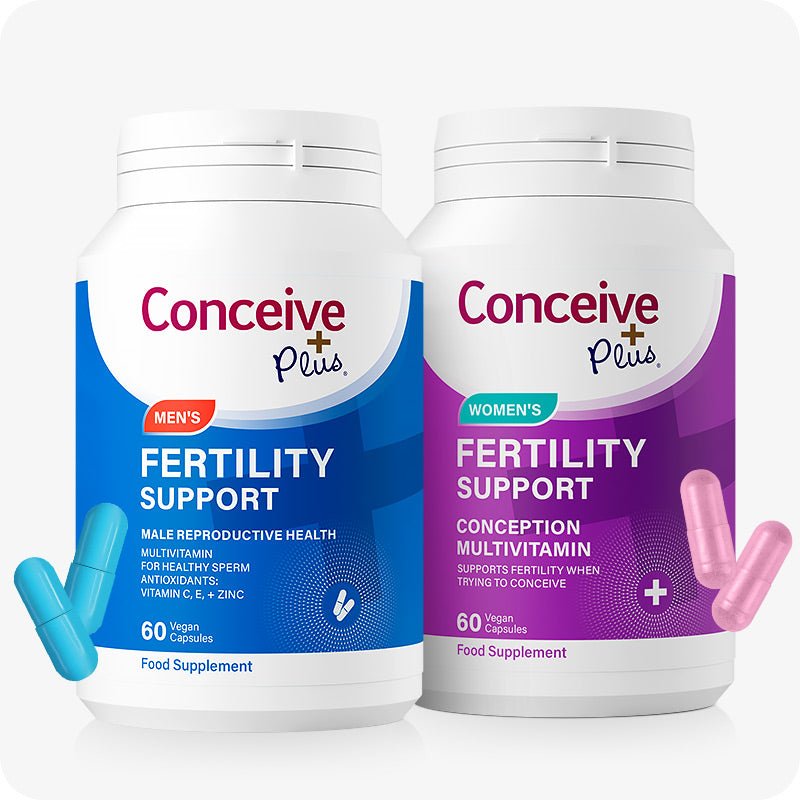
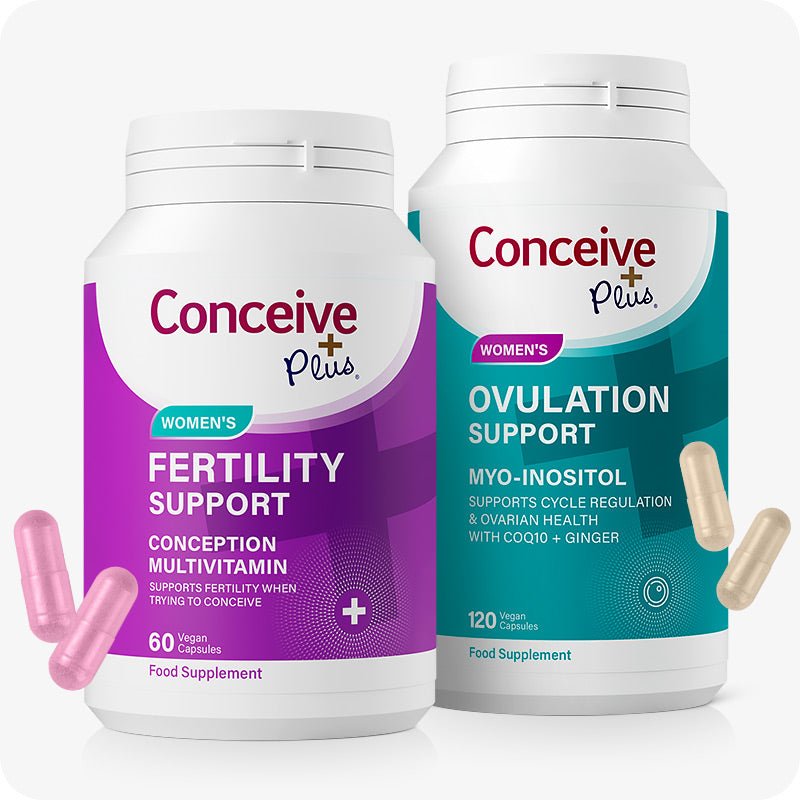
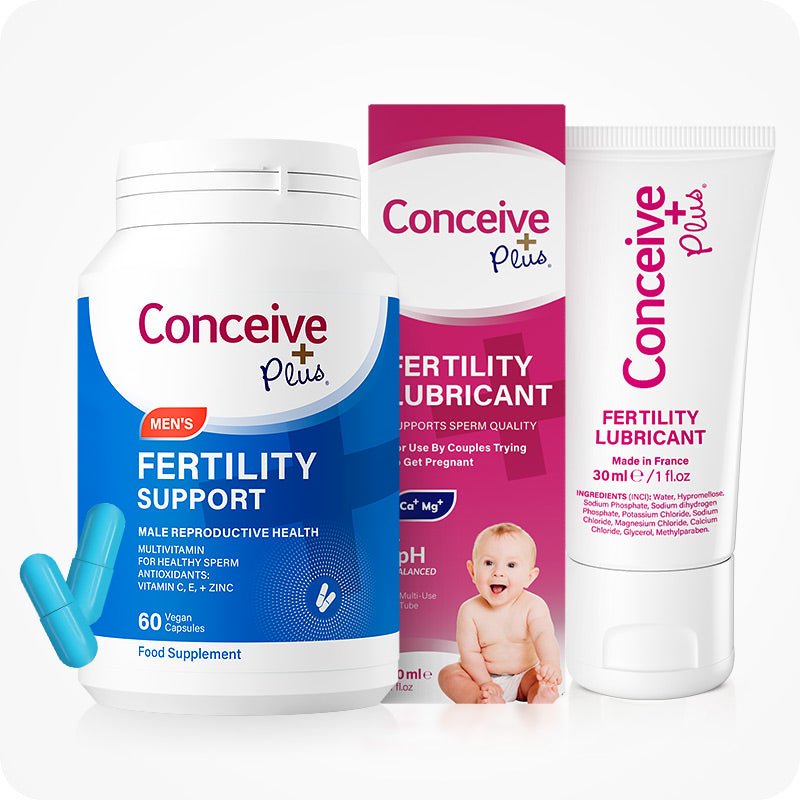
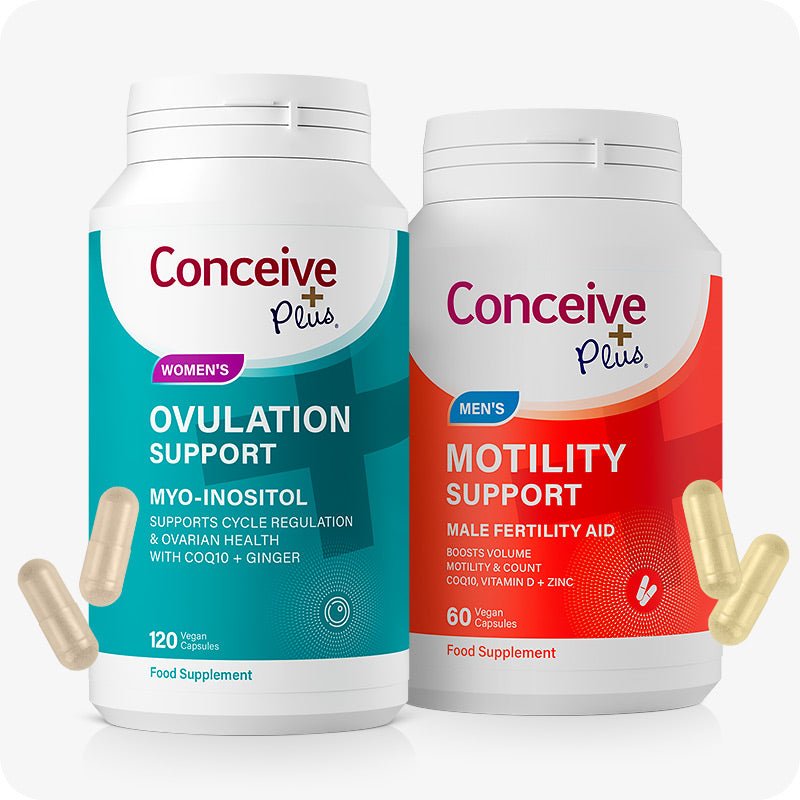
Conceive Plus fertility supplements deliver the nutrients your reproductive health needs, formulated for couples trying to conceive.
Shop Fertility Supplements →Top Fertility Foods for Women
Leafy Green Vegetables: Spinach, kale, rocket, and Swiss chard are powerhouses of folate — the essential B vitamin for DNA synthesis, cell division, and neural tube protection. Folate is critical for egg quality, ovulatory function, and early embryo development. Women with higher folate intakes have been shown to have better egg quality and lower rates of ovulatory infertility in multiple observational studies.
Avocado: Rich in monounsaturated fats, vitamin E, folate, and potassium. The healthy fats in avocado support hormone production and the absorption of fat-soluble nutrients. A study from Harvard found that higher monounsaturated fat intake was associated with significantly better IVF success rates, particularly in older women.
Legumes (Beans, Lentils, Chickpeas): Excellent sources of plant-based protein, iron, zinc, and folate. Research from the Harvard Nurses' Health Study found that substituting animal protein with plant protein was associated with a 50% lower risk of ovulatory infertility. Legumes also have a low glycaemic index, supporting insulin regulation.
Whole Grains (Oats, Quinoa, Brown Rice): Provide sustained energy, B vitamins, and fibre. Compared to refined carbohydrates, whole grains have a significantly lower glycaemic impact — reducing insulin spikes that can disrupt ovulation. Women who consumed more whole grains in the Harvard study had meaningfully lower rates of ovulatory infertility.
Fatty Fish (Salmon, Sardines, Mackerel): Among the richest sources of omega-3 fatty acids, vitamin D, and selenium. Omega-3s reduce inflammation, support endometrial development, and have been associated with better IVF outcomes. For women not eating fish, algae-based omega-3 supplements provide a sustainable alternative.
Full-Fat Dairy: This one surprises many people, but research from the Harvard Nurses' Health Study found that women who consumed one or more servings of full-fat dairy daily had significantly lower rates of ovulatory infertility than those consuming low-fat dairy. The researchers hypothesised that fat-soluble hormones in full-fat dairy, as well as differences in milk protein fractions, may play a role.
Berries (Blueberries, Raspberries, Strawberries): Exceptionally rich in antioxidants — particularly anthocyanins and vitamin C — that protect eggs from oxidative damage. Oxidative stress is one of the leading causes of declining egg quality with age, making antioxidant-rich foods a cornerstone of a fertility diet.
Brazil Nuts: Just two Brazil nuts provide the entire recommended daily intake of selenium, a trace mineral essential for thyroid function (which regulates ovulation), egg maturation, and implantation support.
Top Fertility Foods for Men
Oysters and Shellfish: The richest dietary sources of zinc, which is essential for testosterone production, sperm formation, and DNA integrity. Studies consistently associate zinc deficiency with oligospermia (low sperm count) and poor morphology. Shellfish also provide significant selenium and vitamin B12.
Tomatoes (Cooked): Rich in lycopene, a powerful antioxidant carotenoid that concentrates in the testes and seminal fluid. Cooking tomatoes in olive oil dramatically increases lycopene bioavailability. A University of Sheffield clinical trial found that daily lycopene supplementation improved sperm morphology by 40% over three months — dietary lycopene from tomatoes works through the same pathway.
Walnuts: One of the few plant-based sources of ALA (alpha-linolenic acid), a form of omega-3. A study from UCLA found that men who added 75g of walnuts daily to their diet for 12 weeks showed significant improvements in sperm vitality, motility, and morphology compared to control groups. Walnuts also provide arginine, an amino acid important for blood flow.
Eggs: Complete protein with all essential amino acids, plus vitamin D, B12, selenium, and choline — all important for sperm production and function. The leucine in eggs supports testosterone synthesis.
Pumpkin Seeds: An excellent plant-based source of zinc, magnesium, and antioxidants. Easy to add to salads, yoghurt, or eat as a snack.
Dark Chocolate (70%+ Cocoa): Contains L-arginine (which improves sperm count and volume in some studies), zinc, magnesium, and antioxidant flavanols. A small but meaningful addition to a male fertility diet.
Pomegranate Juice: Clinical trials have shown that daily pomegranate juice consumption can significantly improve sperm concentration and motility, likely through its high antioxidant and nitric oxide-supporting compounds.
Foods to Limit or Avoid on a Fertility Diet
While adding fertility-supportive foods is important, removing foods that impair reproductive function is equally critical. Here's what the evidence says about dietary factors that harm fertility:
Trans Fats: Industrial trans fats (partially hydrogenated oils found in processed foods, some margarines, and fried foods) have been shown in the Harvard Nurses' Health Study to increase the risk of ovulatory infertility by up to 73% with each 2% increase in energy from trans fats. They disrupt cell membrane function, increase inflammation, and impair insulin sensitivity. Check labels for "partially hydrogenated oils" and avoid them completely.
Refined Sugar and High-Glycaemic Carbohydrates: White bread, pastries, sugary cereals, soft drinks, and processed snacks cause rapid insulin spikes that disrupt the hormonal environment for both ovulation and sperm production. High sugar intake is also associated with higher inflammatory markers, further impairing reproductive function.
Excessive Alcohol: Both female and male fertility are negatively affected by regular alcohol consumption. Even moderate drinking (two drinks per day) has been associated with longer time to conception in some studies. Alcohol reduces folate absorption, disrupts oestrogen metabolism, impairs sperm quality, and reduces testosterone. Many fertility specialists recommend complete abstinence during the TTC period.
Caffeine: The evidence is nuanced, but most research suggests that high caffeine intake (more than 200-300mg daily, equivalent to 2-3 cups of coffee) may be associated with slightly longer time to conception and increased early pregnancy loss risk. Moderate consumption appears to be low risk, but reducing intake to under 200mg daily is a reasonable precaution when TTC.
Ultra-Processed Foods: Convenience foods high in additives, preservatives, artificial flavourings, and low-quality fats — fast food, packaged snacks, ready meals — are associated with higher inflammatory markers, insulin resistance, and poorer dietary nutrient status across the board. These displace fertility-supporting whole foods and add compounds that may directly impair reproductive function.
Processed Soya: While moderate consumption of whole soy foods (edamame, tofu, tempeh) appears safe or even beneficial for fertility, highly processed soy products and isoflavone supplements may interfere with oestrogen signalling in some women, particularly those with existing hormonal imbalances.
Support Your Fertility Journey with Conceive Plus
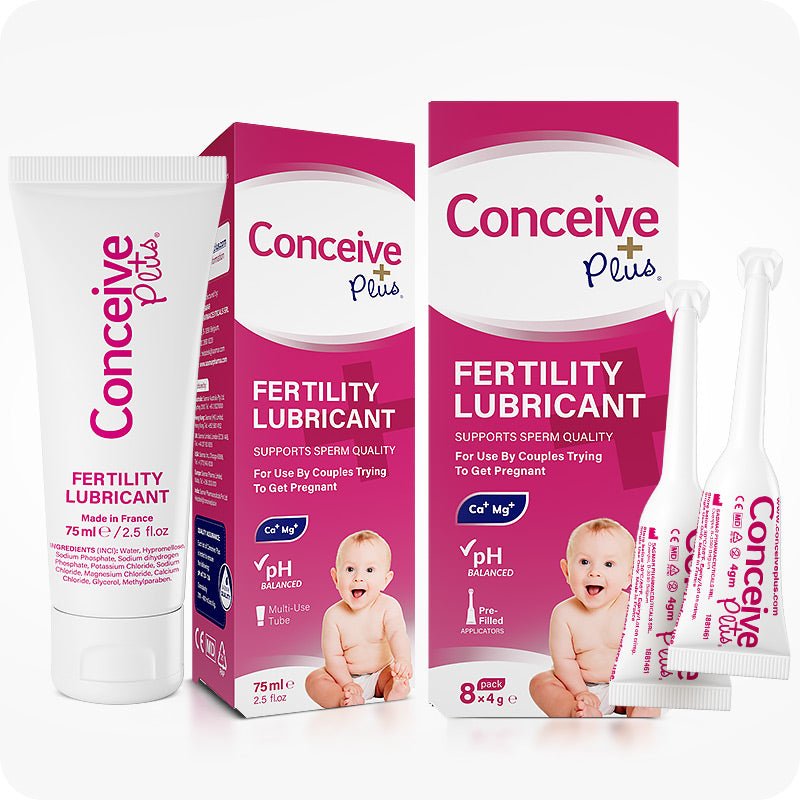
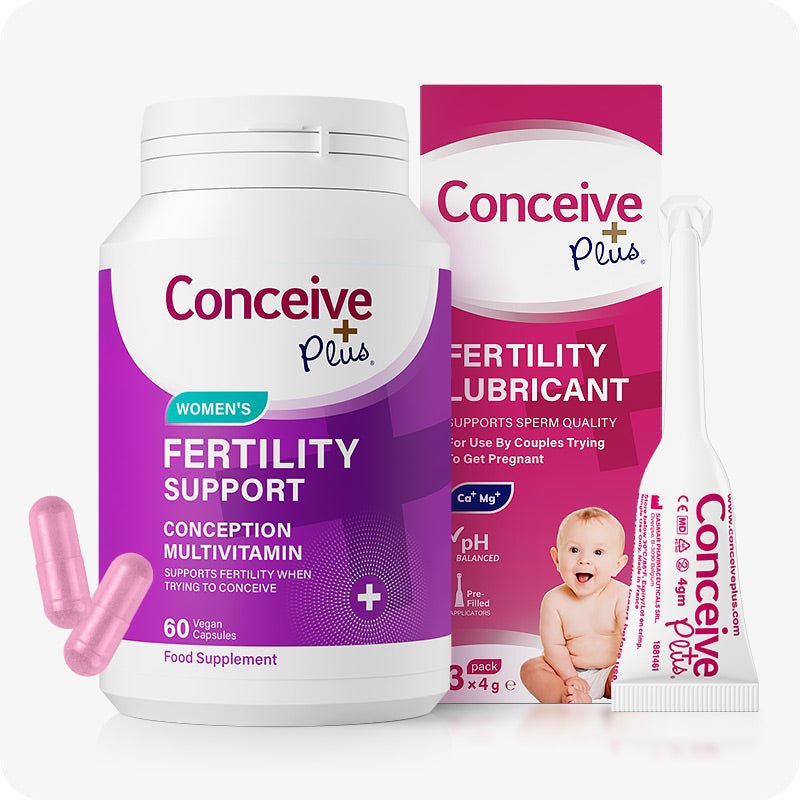
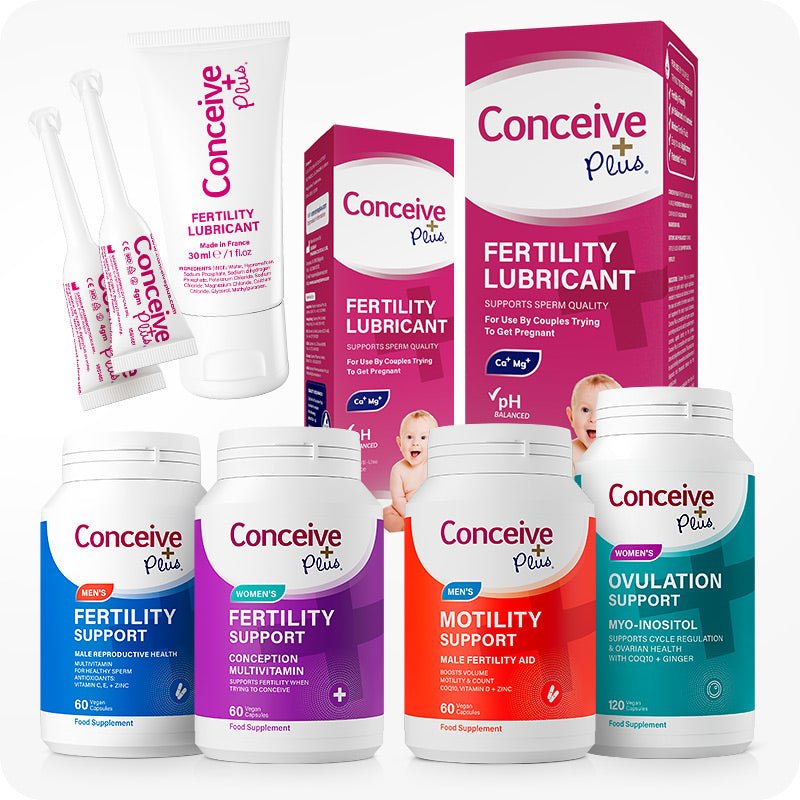
From supplements to sperm-safe lubricant, Conceive Plus offers comprehensive fertility support backed by science.
Explore Conceive Plus Europe →Building a Practical Fertility Diet: Weekly Meal Planning Tips
Knowing which foods to eat is the easy part — consistently incorporating them into your daily life is where most people struggle. Here are practical strategies for building a sustainable fertility diet as a couple:
Cook Together: Making fertility-supporting meals a shared endeavour makes it easier to maintain and more enjoyable. Plan two or three simple fertility-focused recipes per week that you can cook together.
Batch Prep Fertility Staples: Cook a large pot of quinoa or brown rice and roast a tray of vegetables on Sunday to have on hand all week. Hard-boil a batch of eggs. These simple prep steps make reaching for fertility-supporting foods effortless.
Add, Don't Restrict: Instead of focusing on what you're giving up, focus on crowding out less healthy choices with more nutritious options. Add a handful of leafy greens to smoothies, sprinkle walnuts or pumpkin seeds on porridge, have a portion of full-fat Greek yoghurt as a snack.
Supplement the Gaps: Even the most conscientious eaters have nutritional gaps. For women, a comprehensive fertility supplement like Conceive Plus women's formula covers key nutrients including methylfolate, CoQ10, inositol, vitamin D, and zinc. For men, Conceive Plus male fertility supplement provides the evidence-based doses of zinc, selenium, CoQ10, and antioxidants that are difficult to achieve through diet alone.
Frequently Asked Questions About Fertility Diet
How quickly can diet changes improve fertility?
Dietary improvements take time to translate into measurable fertility outcomes. For women, egg follicle development (folliculogenesis) takes approximately 90 days — meaning dietary changes today affect egg quality in about three months. For men, the full spermatogenesis cycle takes roughly 72-74 days. Sustainable dietary changes maintained for at least three months are therefore the minimum timeframe for expecting meaningful fertility benefits.
Is the Mediterranean diet good for fertility?
The Mediterranean diet — rich in vegetables, fruits, whole grains, legumes, olive oil, fish, and moderate amounts of dairy — is one of the best-evidenced dietary patterns for fertility in both men and women. It simultaneously addresses inflammation, insulin regulation, antioxidant status, and healthy fat intake. Multiple studies have associated Mediterranean-style eating with improved IVF outcomes, sperm quality, and natural conception rates.
Should I go organic when trying to conceive?
Some pesticide residues (particularly endocrine-disrupting chemicals) have been associated with reduced fertility in observational research. However, the evidence is not strong enough to definitively recommend organic produce over conventional. If budget allows, prioritising organic for the "dirty dozen" (highest pesticide residue foods like strawberries, spinach, and peppers) is a reasonable precaution, while eating more conventional produce is still far better than eating less fruit and vegetables overall.
Is intermittent fasting safe when trying to conceive?
Intermittent fasting has become popular for weight management, but the evidence for its use in women trying to conceive is limited and somewhat concerning. Caloric restriction and meal timing manipulation can affect the hypothalamic-pituitary axis and disrupt ovulatory function in susceptible women, particularly those who are lean or who have a history of disordered eating. Standard three-meal-plus-snacks eating is generally preferable during the TTC period.
Can being vegetarian or vegan affect fertility?
Vegetarian and vegan diets can be excellent for fertility when well-planned, but they carry specific nutritional risks: vitamin B12 deficiency (critical for DNA synthesis and neurological function), zinc deficiency (plant sources are less bioavailable than animal sources), omega-3 deficiency (unless algae-based supplements are used), and iron deficiency (non-haem plant iron is less well absorbed). Supplementation and careful food combining are important for plant-based eaters trying to conceive.
Does body weight affect fertility?
Yes — both underweight and overweight states are associated with impaired fertility. Excess body fat (particularly visceral fat) produces excess oestrogen and inflammatory cytokines that disrupt ovulatory function. Underweight states signal nutritional insufficiency and can suppress ovulation entirely. Even modest weight changes (5-10% of body weight) in overweight women have been shown to restore ovulatory cycles and significantly improve conception rates.
Are there foods that specifically improve egg quality?
No single food dramatically improves egg quality, but dietary patterns rich in antioxidants (berries, leafy greens, nuts), healthy fats (olive oil, avocado, fatty fish), and folate-rich foods support the complex processes that protect eggs from oxidative damage. CoQ10 — most reliably obtained through supplementation rather than diet alone — is the nutrient most specifically associated with mitochondrial function in egg cells.
Can a fertility diet help with recurrent pregnancy loss?
Some forms of recurrent pregnancy loss (RPL) are associated with chromosomal abnormalities in embryos — which can be partly related to egg and sperm quality. Nutritional optimisation that supports egg and sperm DNA integrity (antioxidants, folate, CoQ10) may therefore be relevant. Additionally, adequate omega-3 fatty acids and vitamin D are important for endometrial health and immune regulation, which also affect pregnancy maintenance. RPL requires specialist investigation, but nutritional optimisation is a reasonable adjunct to medical management.